Equipment
Bodyweight exercises
Bodyweight training needs nothing but floor space, and it still lets you train every muscle group. Instead of adding weight, you change the leverage: shorten the base of support, slow the tempo down, or move to one leg or one arm.
The atlas has both the movements that teach the pattern, like the bodyweight squat and the plank, and the harder variations you use in place of adding load.
Bodyweight exercises by muscle group
Pick the muscle group you want to train and see which exercises cover it.
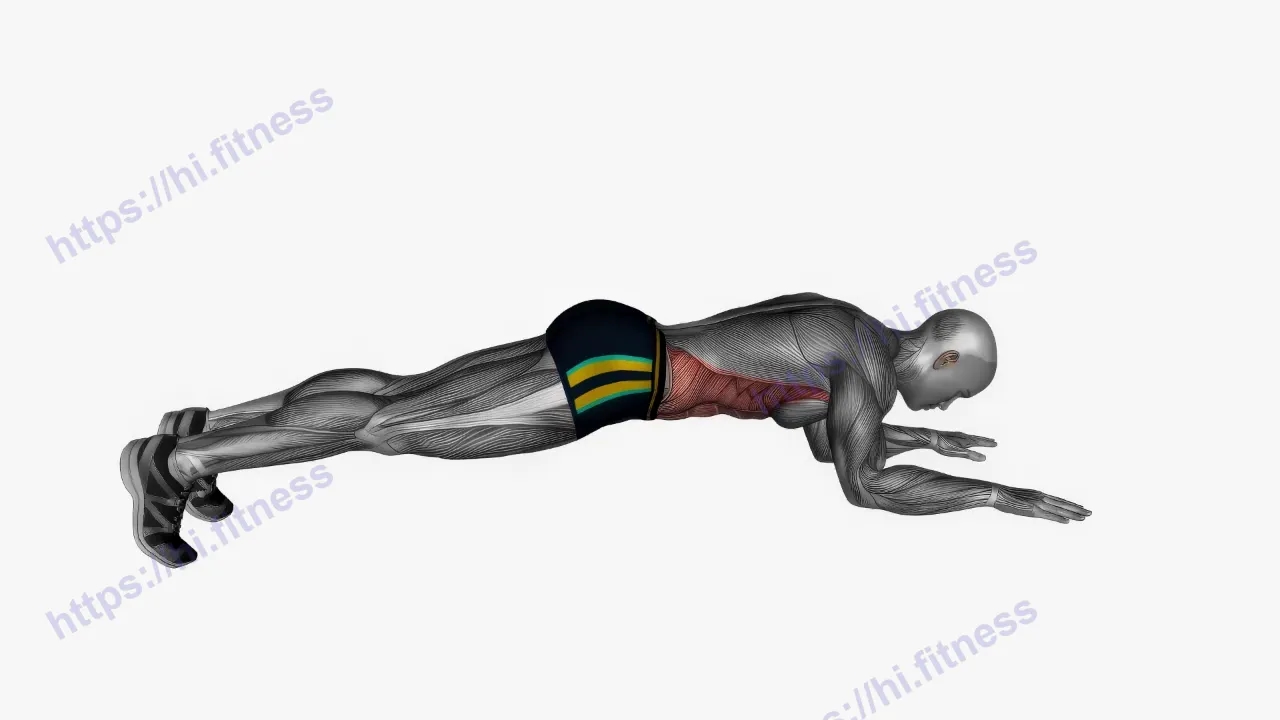

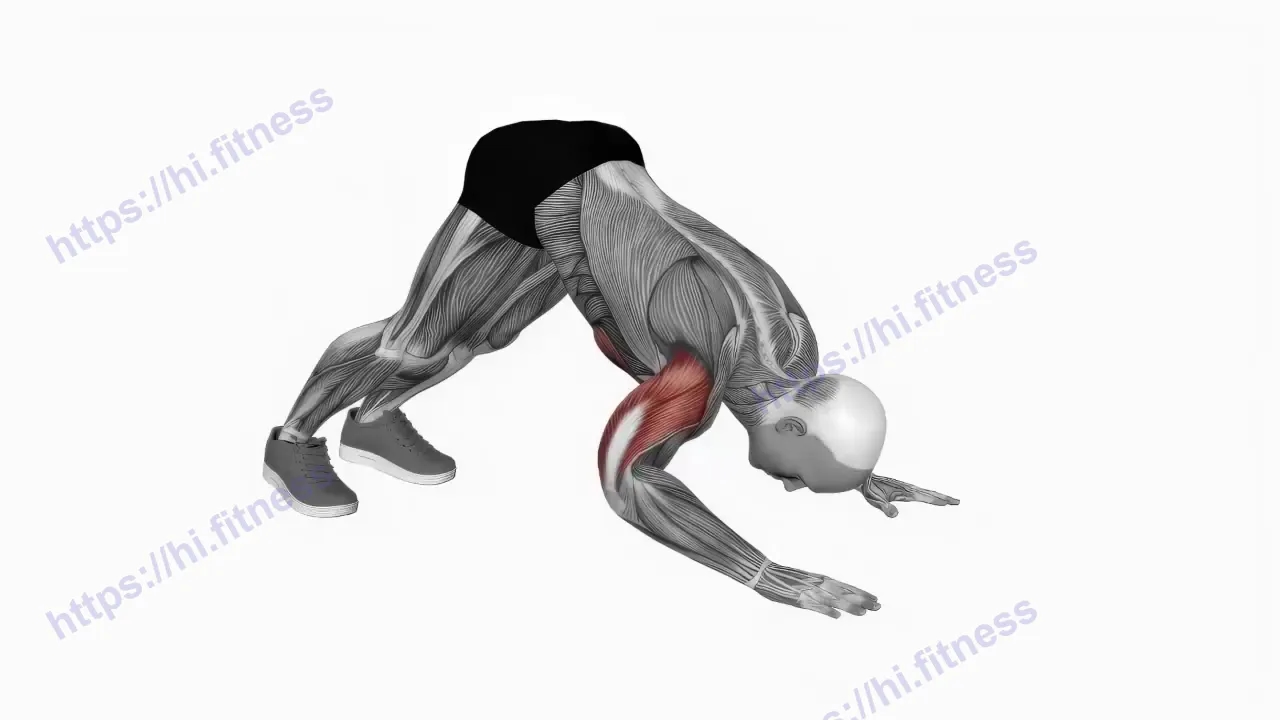
More muscle groupsMid chest 29·Glutes 19·Calves 11
Exercise library
All Bodyweight exercises
315 exercisesFilters
Filters
Muscle group
Training type

Situps
Core · Bodyweight

Bodyweight Standing Calf Raise
Calves · Bodyweight

Russian Twist
Core · Bodyweight

Lying Leg Raise
Core · Bodyweight

Normal Push-up
Mid chest · Bodyweight

Side Plank
Core · Bodyweight

Bicycles
Core · Bodyweight

Superman
Lower Back · Bodyweight

Diamond Push Up
Triceps · Bodyweight

Lying Back Extension
Lower Back · Bodyweight

Bodyweight Calf Raises
Calves · Bodyweight

Crunch Floor
Core · Bodyweight
Training guide
About training Bodyweight exercises
Choose one movement, perform it well, then progress it over time.
How do you progress without weight?
Since you cannot add plates, change how hard the movement itself is. The simplest levers are slowing the lowering phase, adding a pause at the hardest point, increasing the range of motion and moving to a single-side version. Only when that stops being enough is it worth reaching for a weight vest or a band.
Can you build muscle without equipment?
Yes, as long as your sets finish close to failure and the difficulty keeps climbing over time. The limit is usually the muscle groups that are hard to load without equipment, mainly the back and the hamstrings. A pull-up bar or a resistance band fixes that fastest.
Where to start
Pick one push, one pull, one leg movement and one core movement, and train them two or three times a week. That covers the first few months and it is easier to stick with than a plan with a dozen exercises.
Progress the movement
Own the position
Clean form first, for the time or the reps you planned. A short set with your torso holding its line is worth more than a long one with form falling apart.
Change the leverage
Move the base of support further from your center, raise your feet higher, or slow the tempo down. Here progress comes from geometry, not from plates.
Go to one limb
When the two-sided version stops being hard, the next step is one leg or one arm - it doubles the load with no equipment at all.
Explore further
Browse the exercise library
Browse by muscle
Upper chest·Mid chest·Lower chest·Lats·Upper back·Lower Back·Front delts·Side delts·Rear delts·Biceps·Triceps·Forearms·Quads·Hamstrings·Glutes·Calves·Core
Browse by equipment
Bodyweight·Dumbbell·Bench·Barbell·Resistance band·Cable·Machine·Squat rack·Other·Mat·Box·Suspension trainer·Stability ball·Kettlebell·Cardio machine·Pull-up bar·EZ bar·Ab wheel·Weight plate·Roman chair·Smith machine·Dip bars·Jump rope·Medicine ball
Browse by type
Add this exercise to a workout and track your progress
Add it to a plan or to your current session, log sets, weight and reps, keep the instructions and tips at hand while you train, and check your previous results, records and volume.
- Plan - add this exercise to a workout
- Log - sets, weight and reps
- Progress - history, records and volume