Muscle group
Calf exercises
The calf really does one thing: it extends the ankle, which lifts the heel. The whole list is variations on that same raise, and they differ in two ways - whether the knee is straight or bent, and whether the heel has room to drop below the toes.
With a straight knee the work goes mostly to the gastrocnemius, the head you see from the outside, because it crosses the knee joint and loses tension once the leg bends. With a bent knee you are left with the soleus underneath it. That is why the standing and the seated versions sit separately in the atlas and do not replace each other.
Calf exercises by equipment
Choose the equipment available to you and find exercises that suit your setup.

More equipmentMachine 4·Barbell 3·Jump rope 3
Exercise library
All Calf exercises
38 exercisesFilters
Filters
Equipment
Training type
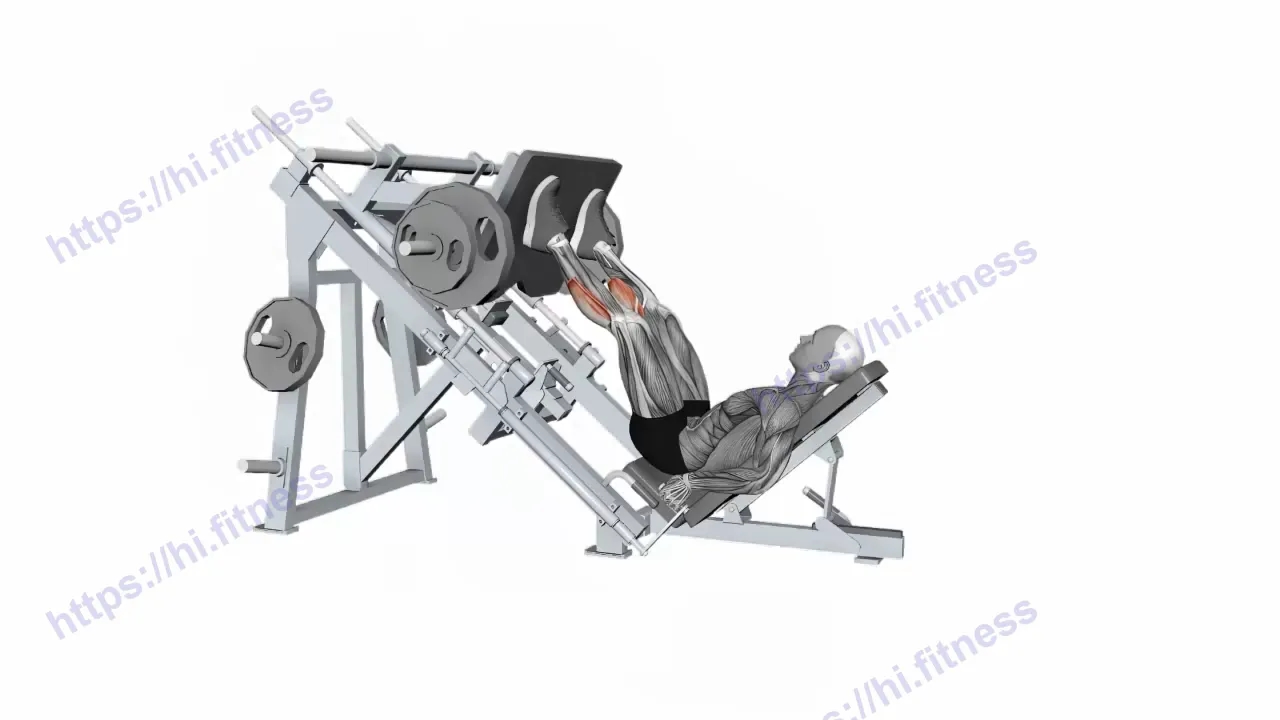
Calf Raise Leg Press Machine
Calves · Machine
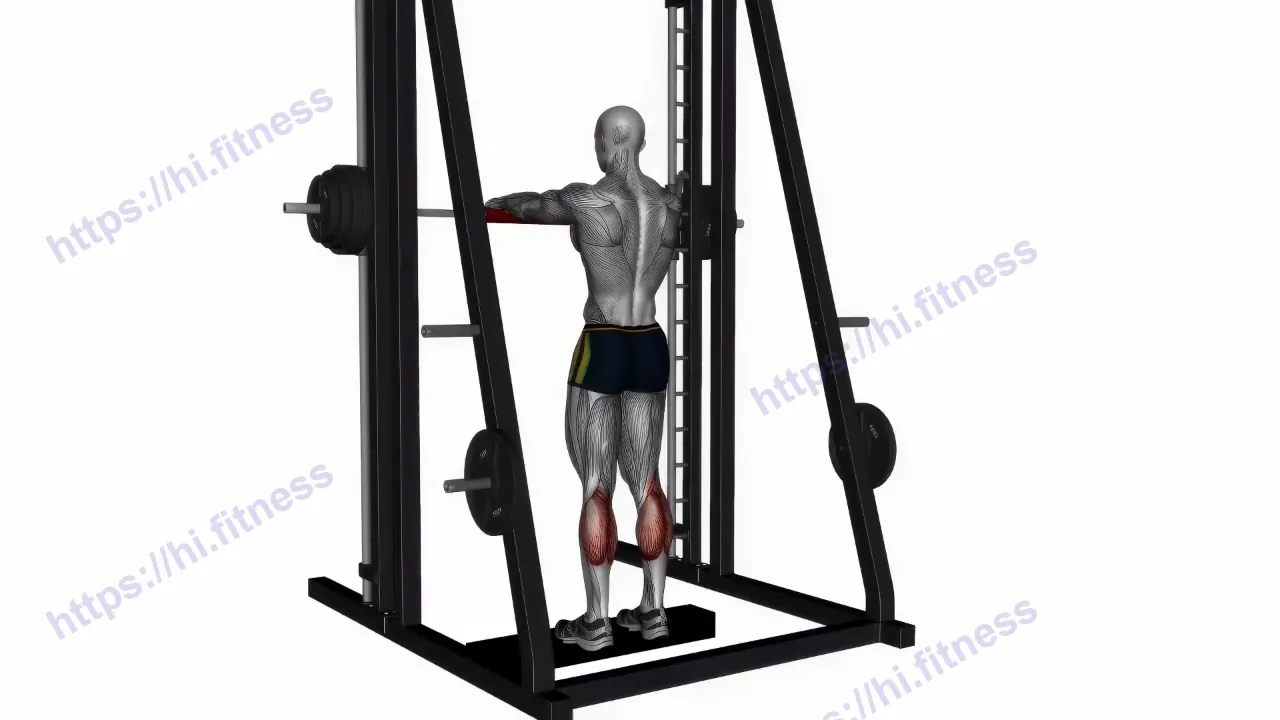
Standing Calf Raises Smith Machine
Calves · Smith machine

Bodyweight Standing Calf Raise
Calves · Bodyweight

Barbell Standing Leg Calf Raises
Calves · Barbell

Dumbbell Seated Calf Raise
Calves · Dumbbell

Donkey Calf Raise
Calves · Other

Single Leg Calf Raise Leg Press Machine
Calves · Machine

Smith Machine Calf Raise
Calves · Smith machine

Dumbbell Standing Single Leg Calf Raise
Calves · Dumbbell

Dumbbell Standing Calf Raise on Step
Calves · Dumbbell
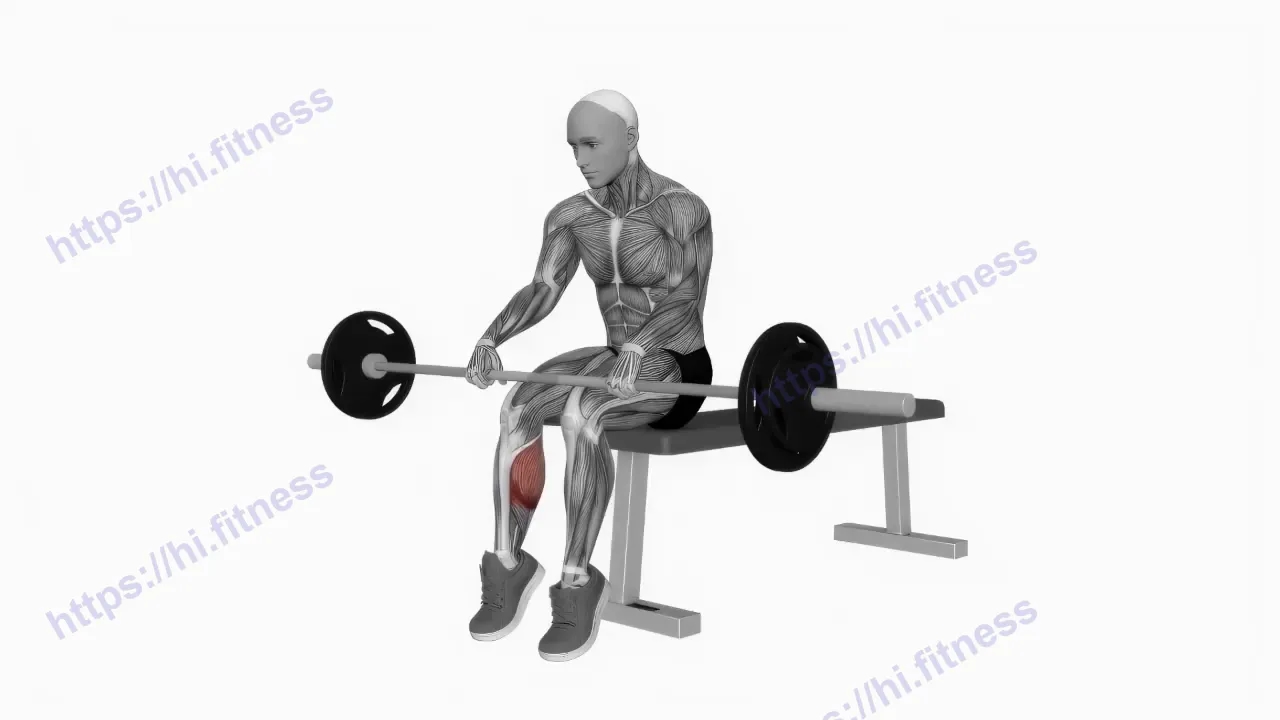
Barbell Seated on Knee Calve Raises
Calves · Barbell

Calf Raise on Hack Squat Machine
Calves · Machine
Training guide
About training Calf exercises
Choose one movement, perform it well, then progress it over time.
Standing or seated?
The difference comes from anatomy, not from preference. The gastrocnemius attaches above the knee, so bending the leg shortens it and cuts its contribution down hard. The soleus starts below the knee and works no matter how the leg is set.
Hence the split in the list. Standing raises, whether with dumbbells, with a barbell, in a Smith machine or on the leg press, load both heads, but it is the gastrocnemius that gives the calf the shape you see from the side. Seated raises, with the weight resting on your knees or on a machine with a pad, are the only way to load the soleus without the other head taking part.
If you only do one version it is usually the standing one, because it lets you use more weight. The seated version can be surprisingly hard with very little weight, and that is not a sign of weakness, just a different muscle under load.
Do calves need training more often?
This question comes up here more than for any other muscle, and the reason behind it is fairly mundane. The calf lifts your whole bodyweight with every step, so it is used to repeated, moderate loading - and two sets tacked onto the end of leg day can be a negligible stimulus for it.
What you will see most often in practice is short doses several times a week, in higher rep ranges, with the heel dropping all the way in every rep. Treat that as an observation from gym floors, not as a rule. The thing that really does repeat consistently in these exercise descriptions is range of motion and tempo, not the number of sets.
Jump rope, jumping jacks and skips are a separate matter, and they land under calves in the atlas too. They load the ankle fast and through a small range, so they do something different from a loaded raise. As a warm-up or as conditioning they work great, but they will not reproduce the full drop of the heel.
Explore further
Browse the exercise library
Browse by muscle
Upper chest·Mid chest·Lower chest·Lats·Upper back·Lower Back·Front delts·Side delts·Rear delts·Biceps·Triceps·Forearms·Quads·Hamstrings·Glutes·Calves·Core
Browse by equipment
Bodyweight·Dumbbell·Barbell·Bench·Other·Resistance band·Cable·Machine·Squat rack·Mat·Suspension trainer·Kettlebell·Stability ball·Cardio machine·Pull-up bar·Box·EZ bar·Ab wheel·Roman chair·Weight plate·Smith machine·Dip bars·Jump rope·Medicine ball·Trap bar
Browse by type
Workout tracker
Add this exercise to a workout and track your progress
Add it to a plan or to your current session, log sets, weight and reps, keep the instructions and tips at hand while you train, and check your previous results, records and volume.
- Plan - add this exercise to a workout
- Log - sets, weight and reps
- Progress - history, records and volume