Muscle group
Hamstring exercises
The hamstrings cross two joints at once: they extend the hip and they bend the knee. That splits the exercises for them into two families that look nothing alike - the hip hinge, led by the Romanian deadlift, and the leg curl.
The hinge loads the back of the thigh in the stretch and lets you use the most weight, but it brings in the glutes, the spinal erectors and your grip along the way. The curl hits the muscle narrowly, with the hip locked in place, so it depends far less on technique and on how strong the rest of you is. The two families do different jobs, so choosing between them is not a matter of picking the better exercise.
Hamstring exercises by equipment
Choose the equipment available to you and find exercises that suit your setup.
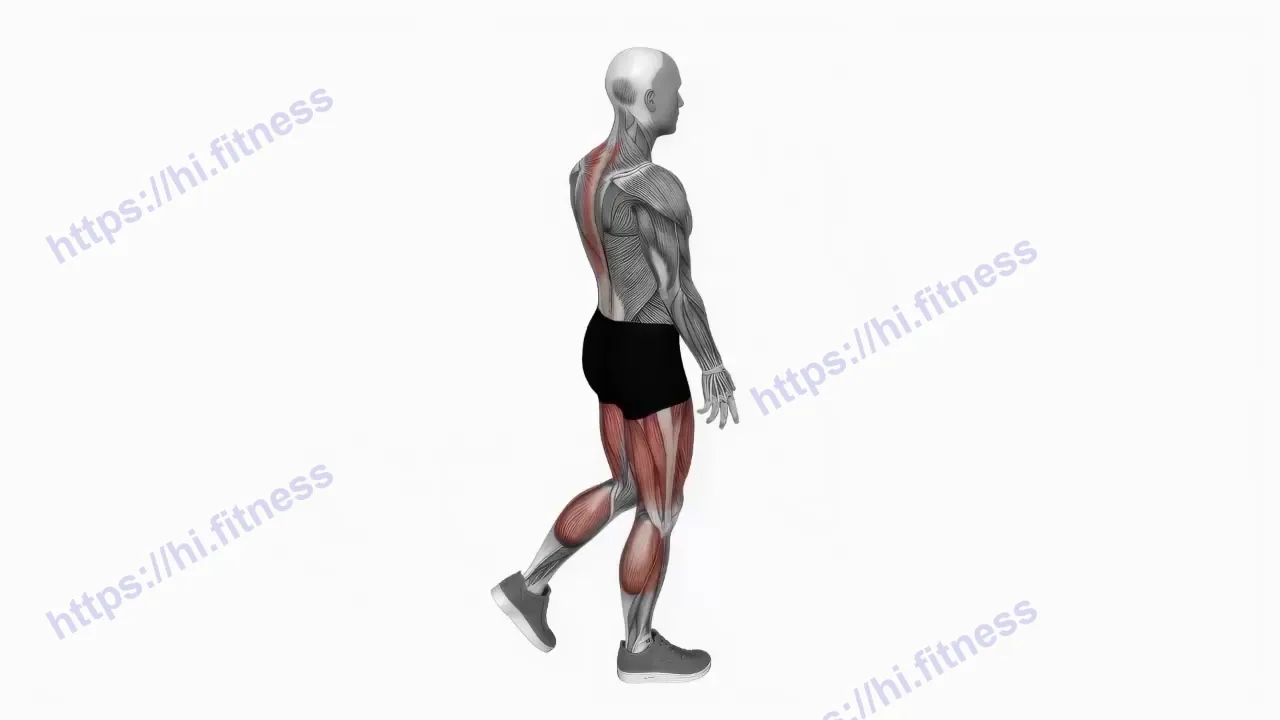 Lying curls and single-leg deadliftsMachine7
 Lying, seated and kneeling curlsDumbbell6
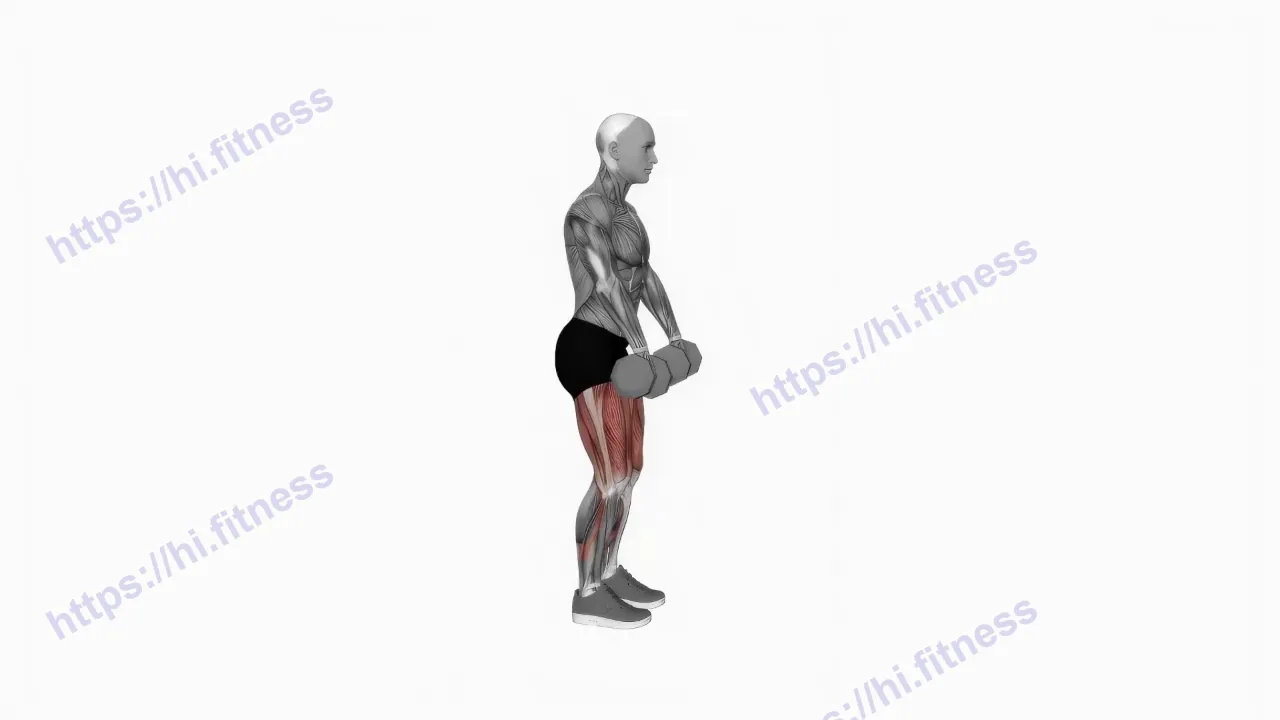 Two-leg and single-leg hinges
More equipmentBarbell 6·Mat 4·Resistance band 4
Exercise library
All Hamstring exercises
47 exercisesFilters
Filters
Equipment
Training type
Dumbbell Romanian Deadlift
Hamstrings · Dumbbell
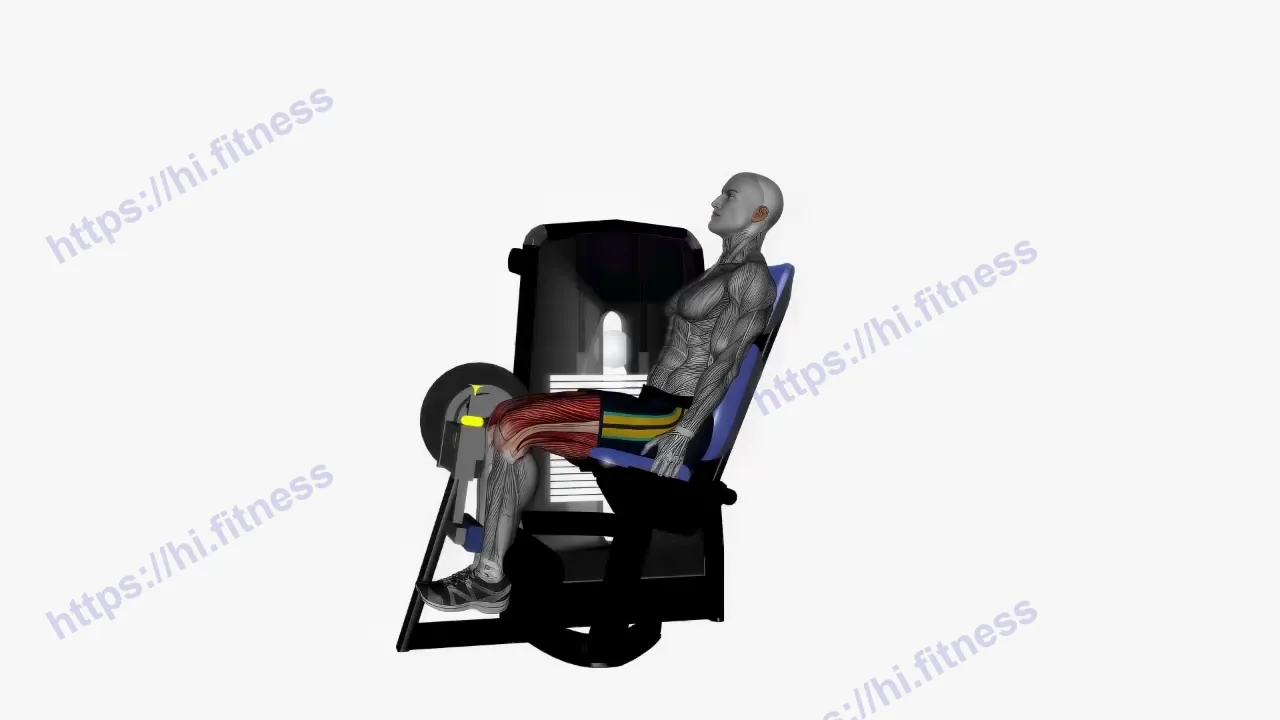
Seated Leg Curl Machine
Hamstrings · Machine

Barbell Stiff Leg Deadlift
Hamstrings · Barbell

Dumbbell Stiff Leg Deadlift
Hamstrings · Dumbbell

Cable Assisted Inverse Leg Curl
Hamstrings · Cable

Exercise Ball Leg Curl
Hamstrings · Stability ball

Good Morning Resistance Band
Hamstrings · Resistance band

Dumbbell Single Leg Deadlift
Hamstrings · Dumbbell

Cable Hamstring Curl
Hamstrings · Cable

Suspension Trainer with Grips Leg Curl
Hamstrings · Suspension trainer

Resistance Band Leg Curl
Hamstrings · Resistance band

Kneeling Leg Curl Machine
Hamstrings · Machine
Training guide
About training Hamstring exercises
Choose one movement, perform it well, then progress it over time.
Hip hinge or knee flexion?
A muscle that crosses two joints can be loaded from either end. In the Romanian deadlift the knee stays nearly straight and the hip bends, so the hamstrings work hardest in the stretch, at the bottom of the rep. In a leg curl the hip stays put and the knee does all the moving, and the hardest point is at the top, with the leg bent tight.
The practical difference is that a hinge is an exercise for the whole back of the body. The glutes, the spinal erectors and your grip all take a share, and under a heavier bar they are often the ones that give out first. A leg curl has no such problem, because the rest of you is lying or sitting still, which makes it easier to fatigue the hamstrings themselves.
The list also has single-leg variations. The single-leg Romanian deadlift adds balance work to the hinge and exposes side-to-side differences that the two-leg version hides - the description suggests outright that you rehearse the movement unloaded before you reach for a dumbbell.
What if you have no leg curl machine?
Leg curls bring a machine to mind, but the catalog has several versions that do not need one: a stability ball rolled in with the heels, a TRX, a band hooked around the ankle, a bodyweight version lying down. They all do the same thing, which is bend the knee while the hip stays still.
The difficulty in those variations does not come from the load, it comes from the position. On the ball and on the TRX it is your hips held high that decide how much work reaches the hamstrings; let them drop and the movement turns into something much easier. That is why both descriptions start with the same thing: a straight line from your shoulders to your heels.
On the hinge side it looks worse. With no load at all you are left with the single-leg deadlift, where the resistance is the weight of your torso and your free leg. A pair of dumbbells or a band opens up the rest of the list, including the good morning, which loads the same pattern starting from an upright torso.
Explore further
Browse the exercise library
Browse by muscle
Upper chest·Mid chest·Lower chest·Lats·Upper back·Lower Back·Front delts·Side delts·Rear delts·Biceps·Triceps·Forearms·Quads·Hamstrings·Glutes·Calves·Core
Browse by equipment
Bodyweight·Dumbbell·Bench·Barbell·Resistance band·Cable·Machine·Squat rack·Other·Mat·Box·Suspension trainer·Stability ball·Kettlebell·Cardio machine·Pull-up bar·EZ bar·Ab wheel·Weight plate·Roman chair·Smith machine·Dip bars·Jump rope·Medicine ball
Browse by type
Add this exercise to a workout and track your progress
Add it to a plan or to your current session, log sets, weight and reps, keep the instructions and tips at hand while you train, and check your previous results, records and volume.
- Plan - add this exercise to a workout
- Log - sets, weight and reps
- Progress - history, records and volume