Equipment
Barbell exercises
The barbell is the best tool there is for building strength, because it loads a movement heavier than anything else and lets you add weight in small, repeatable steps. Every classic lift is built on it: the squat, the deadlift and the bench press.
The atlas covers those core patterns and the variants that shift the emphasis: narrow and wide grips, the bar in front and behind, versions from the floor and from the rack.
Barbell exercises by muscle group
Pick the muscle group you want to train and see which exercises cover it.

More muscle groupsBiceps 16·Upper back 16·Triceps 8
Exercise library
All Barbell exercises
173 exercisesFilters
Filters

Barbell Curl
Biceps · Barbell
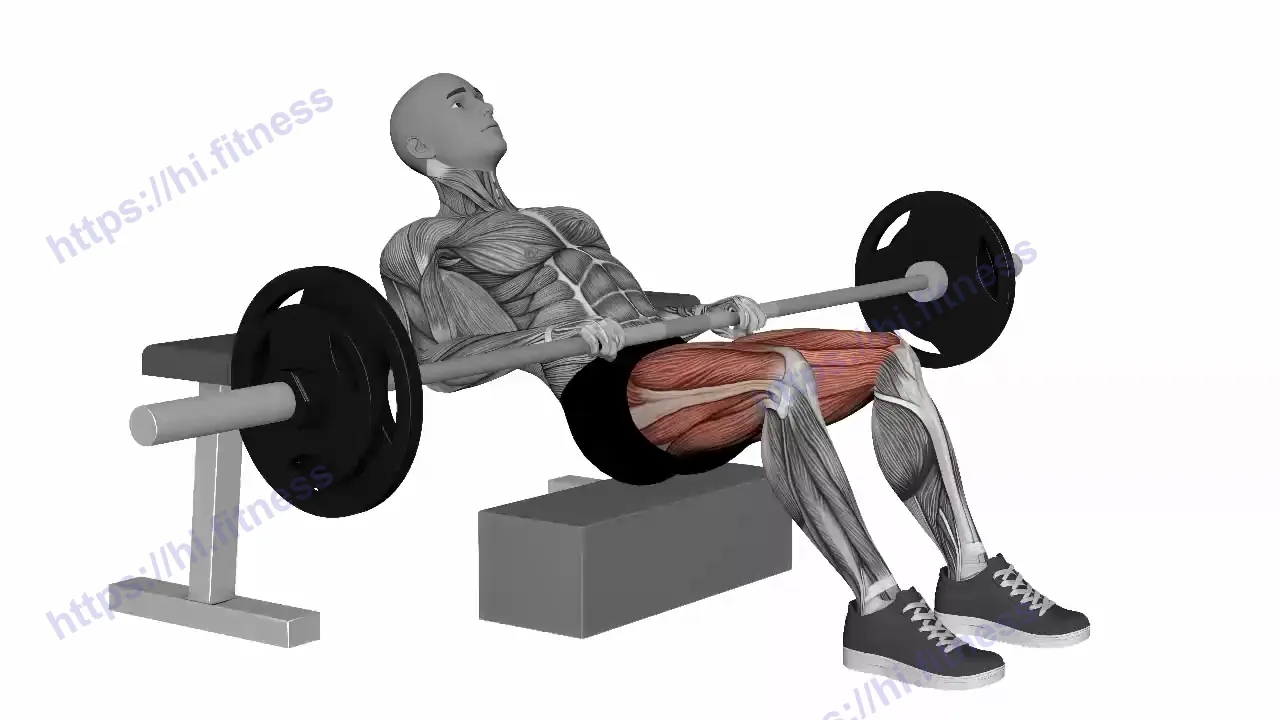
Barbell Hip Thrust
Glutes · Barbell

Barbell Standing Military Press
Front delts · Barbell
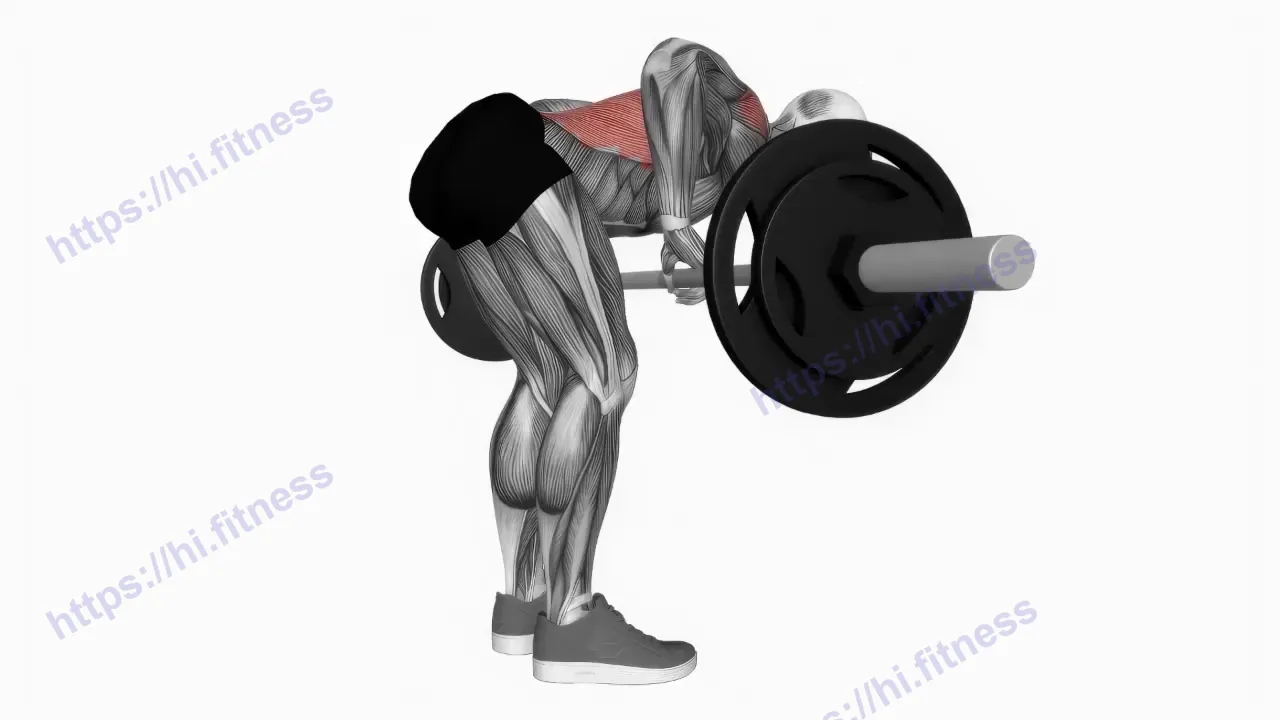
Bent Over Barbell Row
Upper back · Barbell
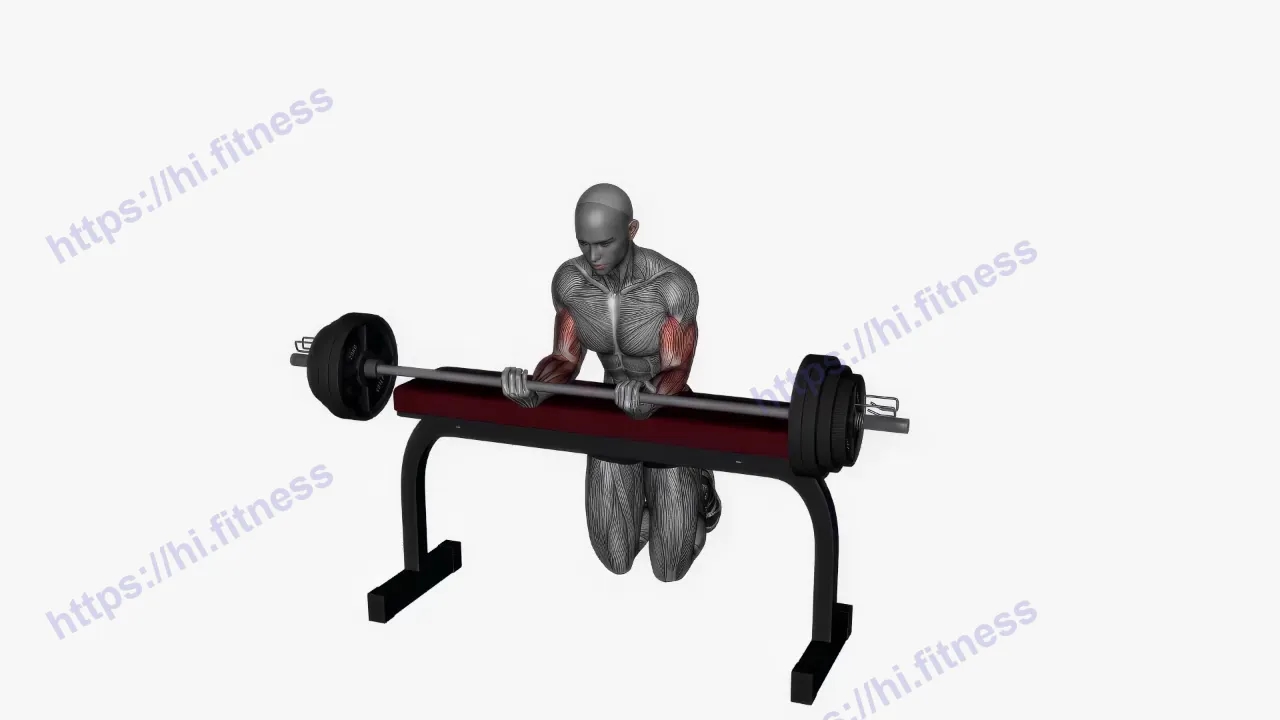
Wrist Curl Barbell
Forearms · Barbell

Barbell Clean Grip Front Squat
Quads · Barbell

Barbell Deadlift
Glutes · Barbell

Close Grip Barbell Bench Press
Triceps · Barbell

Barbell Incline Bench Press
Upper chest · Barbell

Barbell Lying Triceps Skull Crusher
Triceps · Barbell

Barbell Sumo Deadlift
Glutes · Barbell

Wrist Extension Barbell
Forearms · Barbell
Training guide
About training Barbell exercises
Choose one movement, perform it well, then progress it over time.
Where do you start with a barbell?
Pattern first, weight second. Spend a few weeks on the empty bar or something light, until the movement repeats itself the same way every time. Progress in that stretch comes from technique, not from kilograms. Adding 2.5 kg a week only makes sense after that.
Picking a variant for your goal
The back squat lets you move the most weight. The front squat loads the quads harder and forces an upright torso. A wide grip on the bench emphasizes the chest, a narrow one the triceps. The conventional deadlift asks more of the back, sumo more of the glutes and adductors.
Safety
A heavy barbell needs a spotter or a substitute for one: safety pins in the rack for squats and bench, or the certainty that you can set the bar down safely. Use collars every time except when you bench without a spotter, where sliding the plates off is the easier way out of trouble.
Progress the movement
Repeat the last set
The same weight twice a week, until the last set looks like the first. Only then is the bar ready to get heavier.
Add the smallest plate
The barbell is the only equipment where progress can be genuinely small: 1.25 kg a side is 2.5 kg on the bar. Use that.
Watch that the range does not shrink
If the bar travels less at the new weight, drop back one step. A logged number is worth exactly as much as the rep behind it.
Explore further
Browse the exercise library
Browse by muscle
Upper chest·Mid chest·Lower chest·Lats·Upper back·Lower Back·Front delts·Side delts·Rear delts·Biceps·Triceps·Forearms·Quads·Hamstrings·Glutes·Calves·Core
Browse by equipment
Bodyweight·Dumbbell·Barbell·Bench·Other·Resistance band·Cable·Machine·Squat rack·Mat·Suspension trainer·Kettlebell·Stability ball·Cardio machine·Pull-up bar·Box·EZ bar·Ab wheel·Roman chair·Weight plate·Smith machine·Dip bars·Jump rope·Medicine ball·Trap bar
Browse by type
Workout tracker
Add this exercise to a workout and track your progress
Add it to a plan or to your current session, log sets, weight and reps, keep the instructions and tips at hand while you train, and check your previous results, records and volume.
- Plan - add this exercise to a workout
- Log - sets, weight and reps
- Progress - history, records and volume