Equipment
Bench exercises
A bench brings one exercise to mind, but the classic bench press lives in this atlas under barbell and dumbbell - filed where the load is. What stays here is everything the bench itself is the equipment for: the angle of the backrest, the point your body pivots around, and the height you put a foot on.
That makes the list short and a little mixed. You will find back extensions on the 45-degree bench, squats with the bench as a depth marker, hip thrusts with your shoulder blades on the pad, lateral step-ups and stretches with a leg up high. They share one thing: the bench decides where the movement starts and where it ends.
Bench exercises by muscle group
Pick the muscle group you want to train and see which exercises cover it.

More muscle groupsQuads 24·Mid chest 20·Forearms 17
Exercise library
All Bench exercises
270 exercisesFilters
Filters
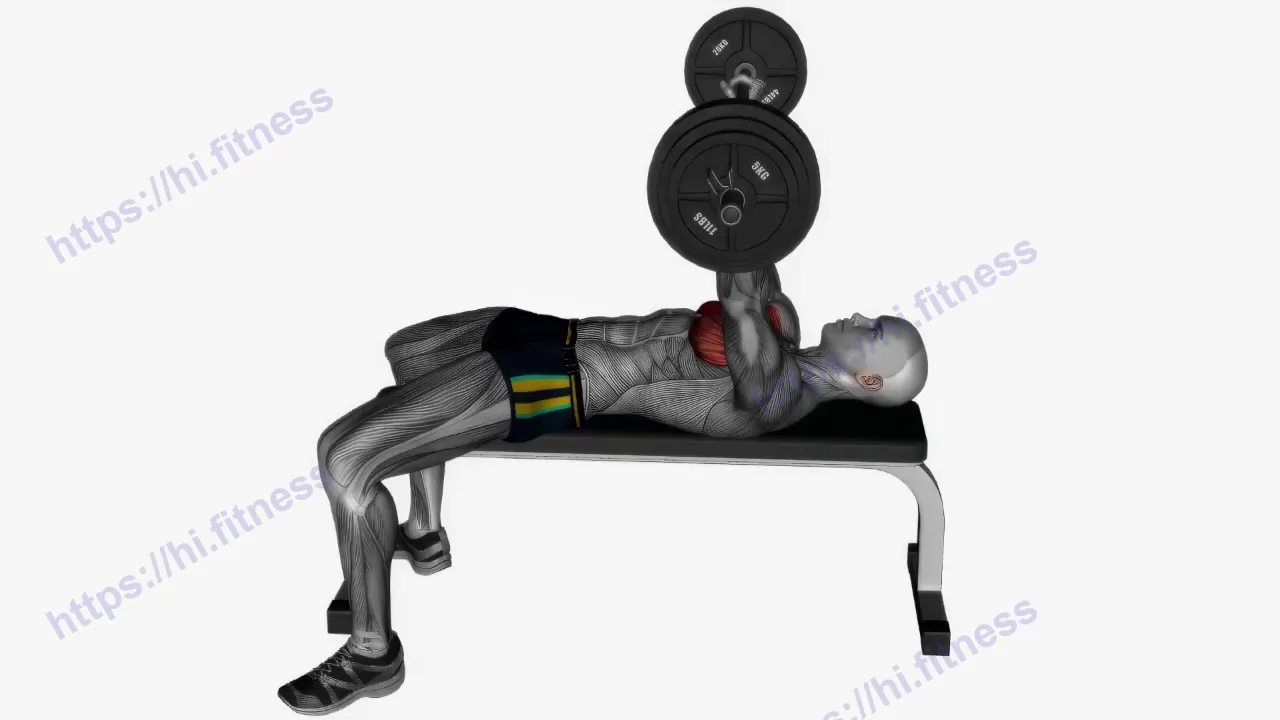
Barbell Bench Press
Mid chest · Barbell
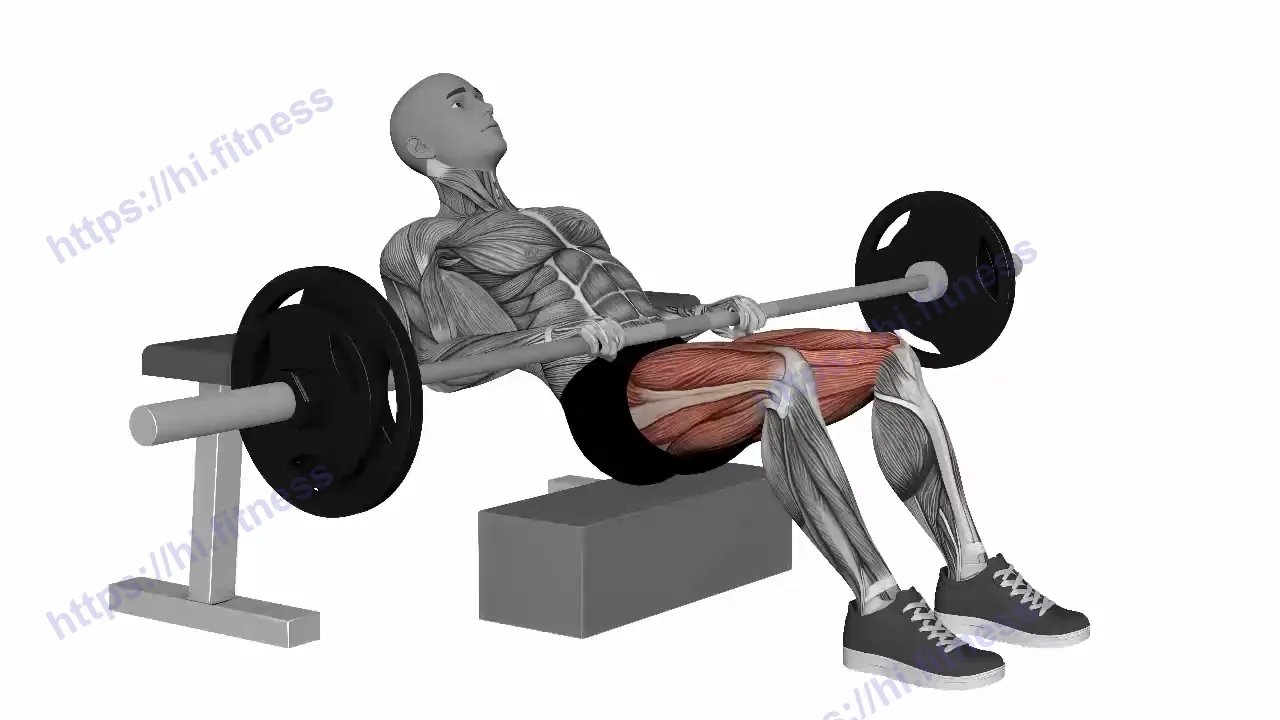
Barbell Hip Thrust
Glutes · Barbell
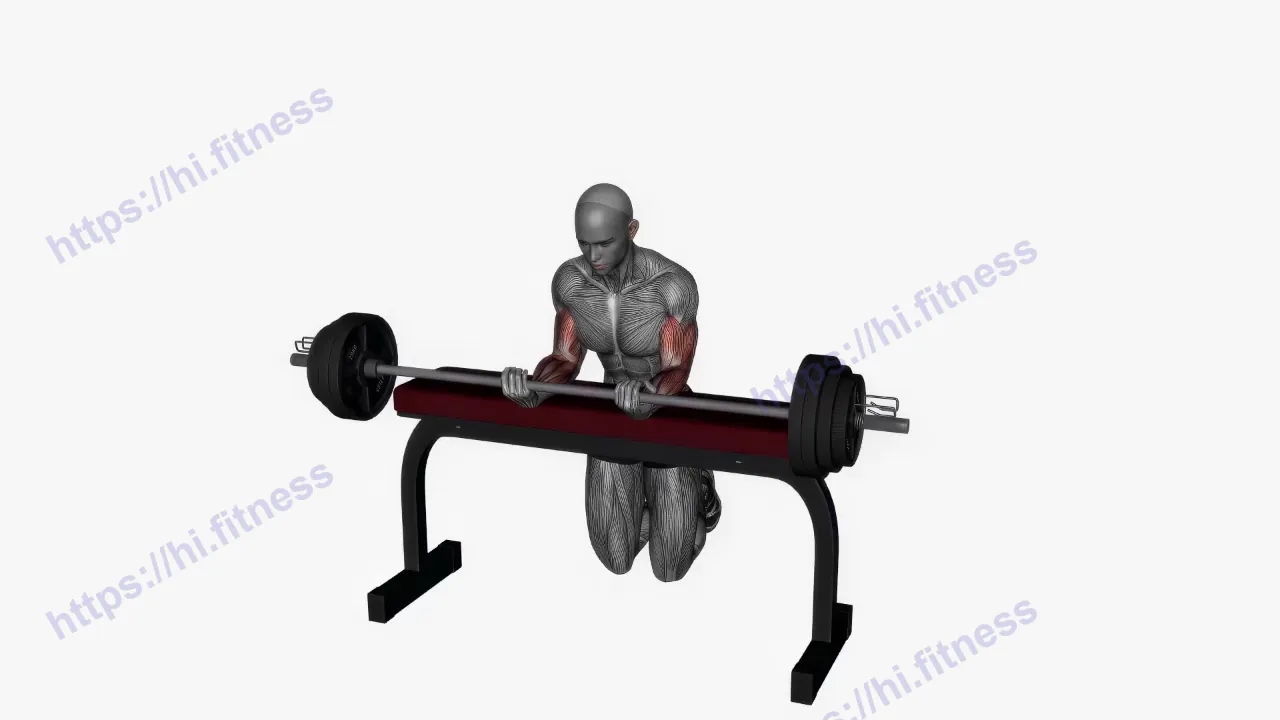
Wrist Curl Barbell
Forearms · Barbell

Close Grip Barbell Bench Press
Triceps · Barbell

Dumbbell Bench Press
Mid chest · Dumbbell

Dumbbell Seated Shoulder Press
Front delts · Dumbbell

Wrist Curl Dumbbell
Forearms · Dumbbell

Barbell Incline Bench Press
Upper chest · Barbell

Barbell Lying Triceps Skull Crusher
Triceps · Barbell

Wrist Extension Barbell
Forearms · Barbell

Dumbbell Incline Bench Press
Upper chest · Dumbbell

Wrist Extension Dumbbell
Forearms · Dumbbell
Training guide
About training Bench exercises
Choose one movement, perform it well, then progress it over time.
What is not on this list?
The classic barbell and dumbbell bench press is not here, even though both are done on a bench. In this atlas an exercise is filed where the resistance comes from, and in a press it comes from the bar. The bench is furniture you lie on - swap it for another bench and nothing about the movement changes.
What stays is a few presses where the bench angle genuinely changes the work, plus everything else: back extensions, bench squats, hip thrusts, lateral step-ups, wrist curls, pull-ups with the legs helping and some stretching. It is a grab bag, because the bench is not a tool for one muscle group. It is a support, and support is useful everywhere.
What does the bench change?
Three things, and they are worth keeping apart. First, angle: the 45-degree bench sets your torso up so that a back extension or a side bend can be loaded at all, and an incline backrest shifts a press toward the upper chest. Second, a fixed reference point: in a squat the seat tells you when to stop descending, and in a hip thrust the edge of the bench is the axis your torso rotates around. Third, plain height - a foot on the bench turns a floor stretch into a version with more range, and standing on it lets your legs supply exactly as much help as your pull-up is short of.
One practical note for everything here: the bench has to sit solid. On step-ups plant the whole foot, not just the front of it, because the entire movement leans on that stability. A bench that slides under load stops being a reference point and becomes one more variable you did not want in the set.
Explore further
Browse the exercise library
Browse by muscle
Upper chest·Mid chest·Lower chest·Lats·Upper back·Lower Back·Front delts·Side delts·Rear delts·Biceps·Triceps·Forearms·Quads·Hamstrings·Glutes·Calves·Core
Browse by equipment
Bodyweight·Dumbbell·Bench·Barbell·Resistance band·Cable·Machine·Squat rack·Other·Mat·Box·Suspension trainer·Stability ball·Kettlebell·Cardio machine·Pull-up bar·EZ bar·Ab wheel·Weight plate·Roman chair·Smith machine·Dip bars·Jump rope·Medicine ball
Browse by type
Add this exercise to a workout and track your progress
Add it to a plan or to your current session, log sets, weight and reps, keep the instructions and tips at hand while you train, and check your previous results, records and volume.
- Plan - add this exercise to a workout
- Log - sets, weight and reps
- Progress - history, records and volume