Equipment
Bodyweight quad exercises
Quads come out of equipment-free training better than any other muscle, because they are the only one with a serious load permanently on hand: your whole body weight. Shift it onto a single leg and you get resistance that would take tens of kilos of dumbbell to match.
The list is long, though, and very mixed. Next to squats and lunges you will find jumps, pure conditioning drills and quad stretches - anything where the knee bends and straightens. Keep that in mind as you read it, because not every entry here is a strength exercise.
Exercise library
All Bodyweight quad exercises
79 exercisesFilters
Filters
Training type

Bodyweight Forward Lunge
Quads · Bodyweight

Bodyweight Rear Lunge
Quads · Bodyweight

Jump Squats Bodyweight
Quads · Bodyweight

Cossack Squat
Quads · Bodyweight

Bodyweight Kneeling Sissy Squat
Quads · Bodyweight
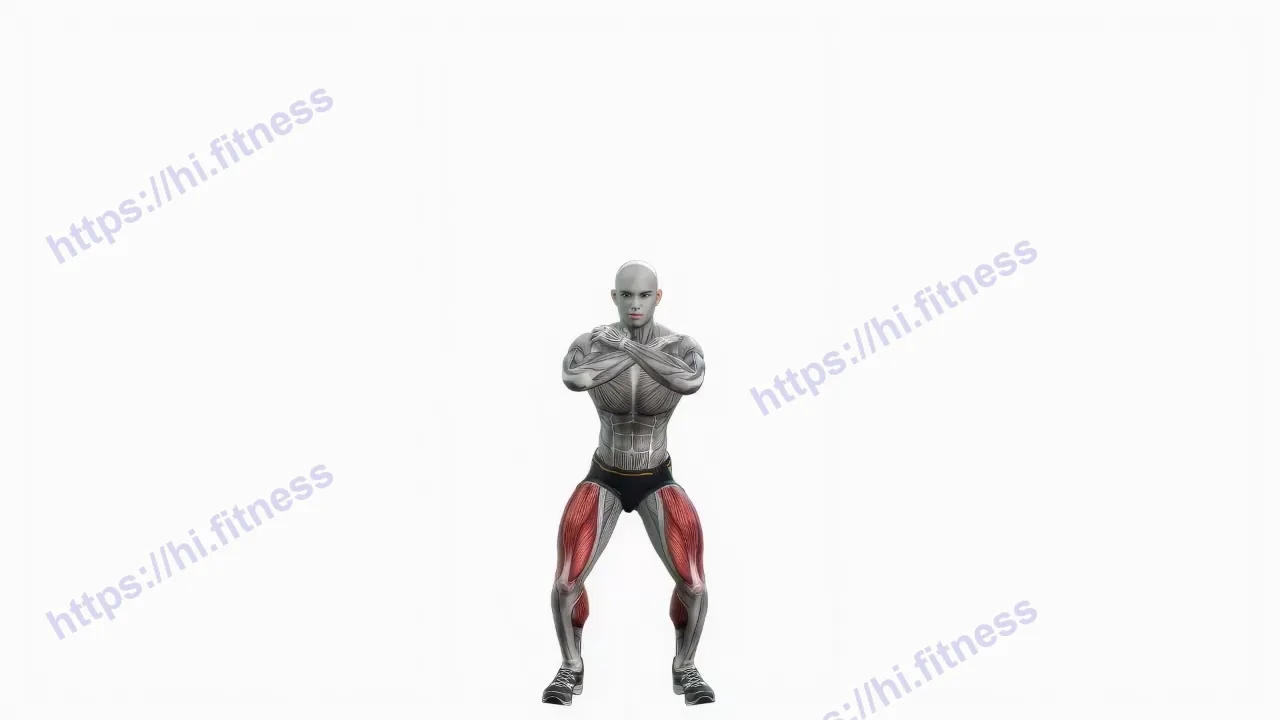
Bodyweight Squats Hold
Quads · Bodyweight
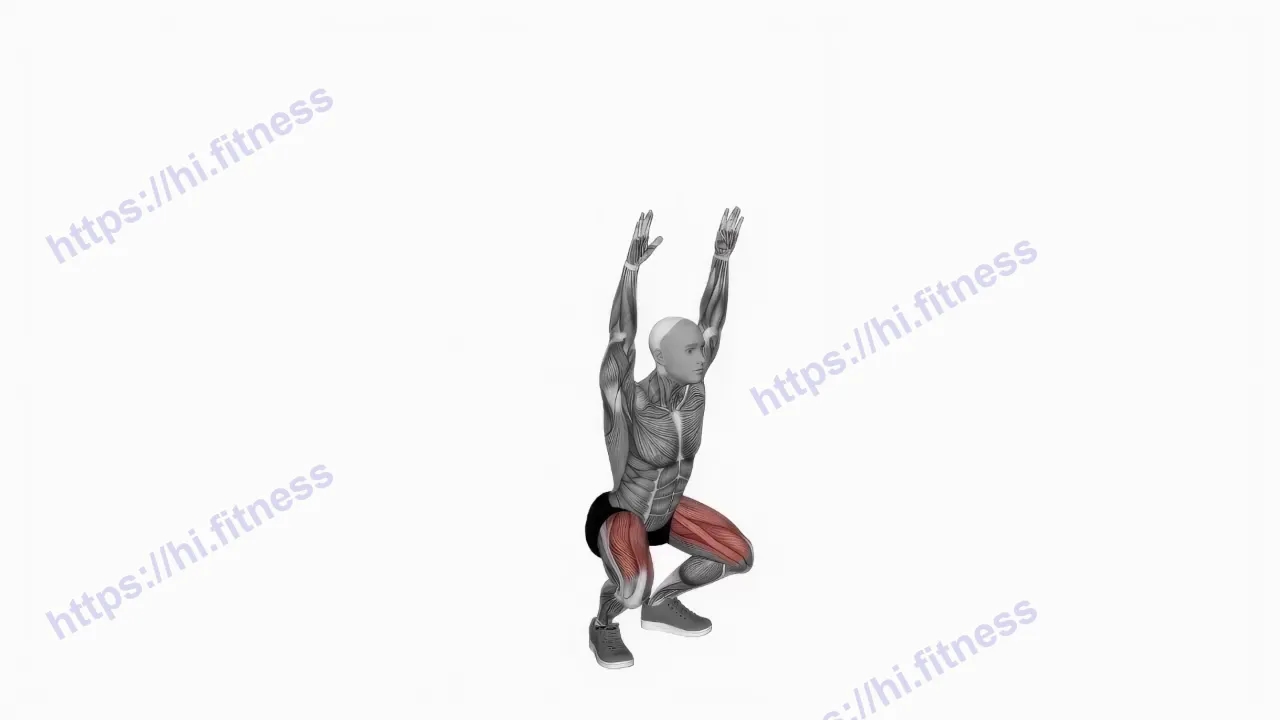
Bodyweight Overhead Squat
Quads · Bodyweight
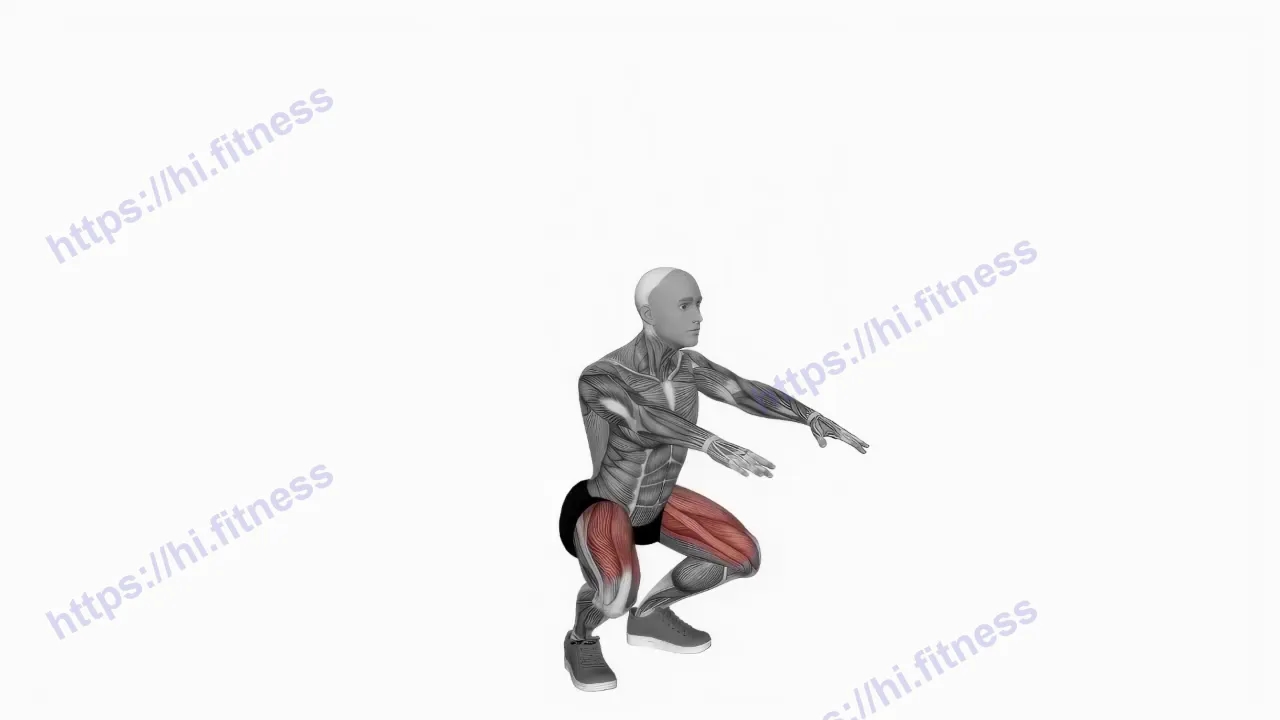
Bodyweight Pulse Squat
Quads · Bodyweight
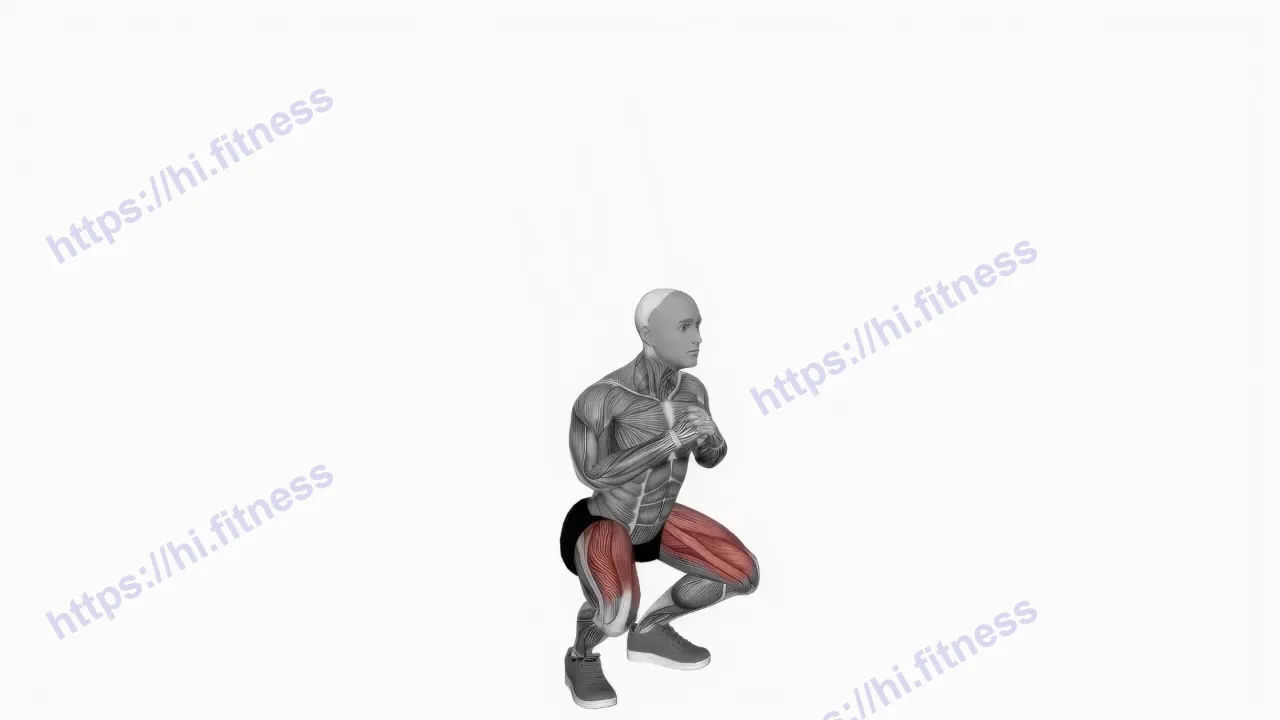
Bodyweight Pulse Squat Arms to Chest
Quads · Bodyweight
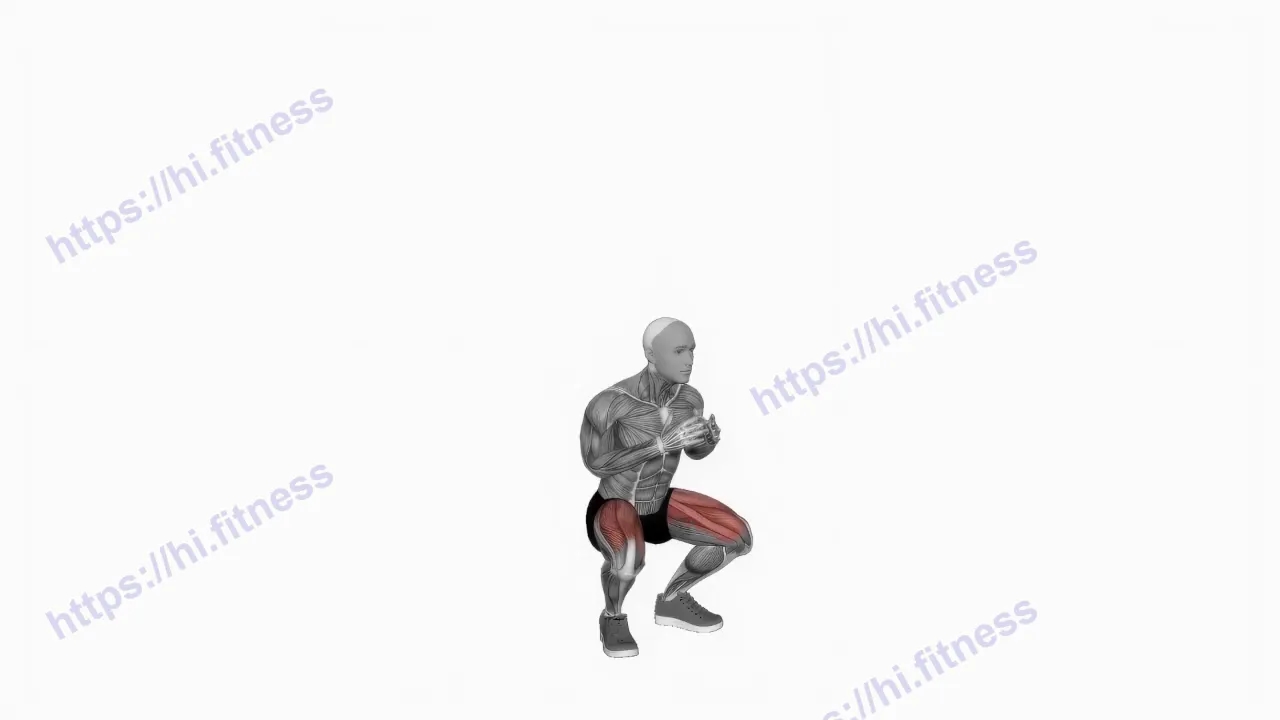
Double Jump Squat
Quads · Bodyweight
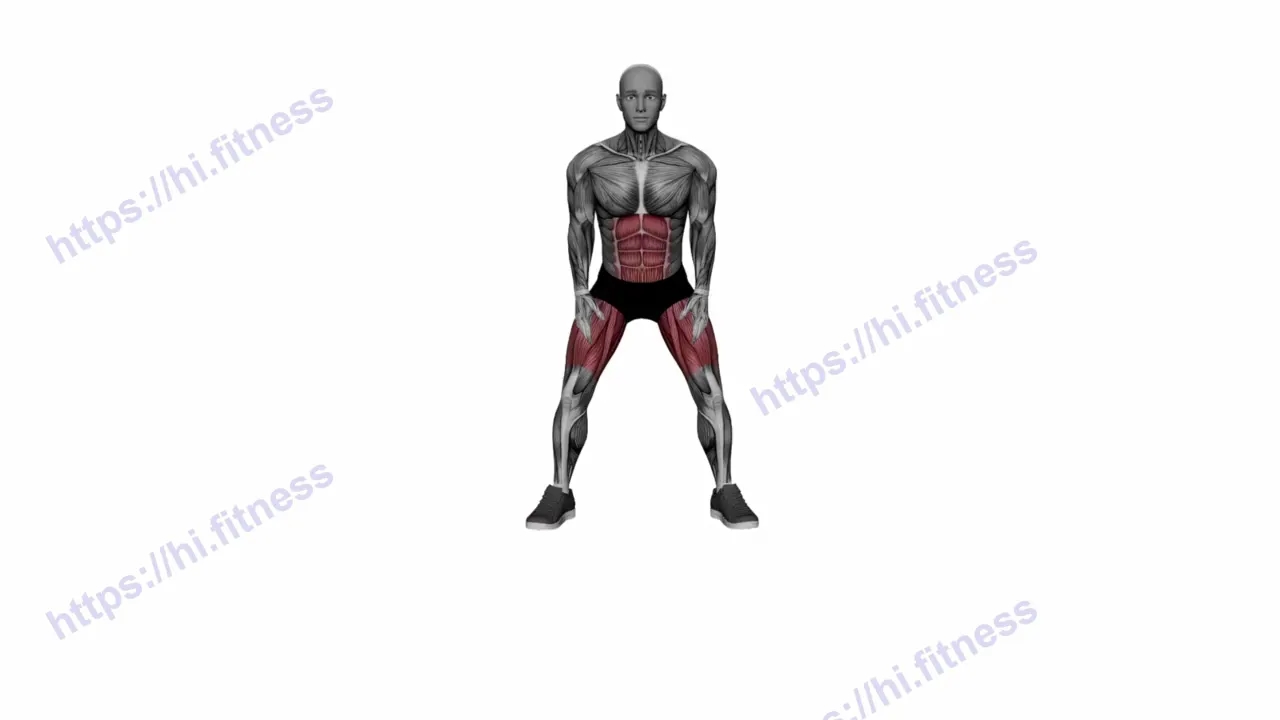
In and Out Squats
Quads · Bodyweight
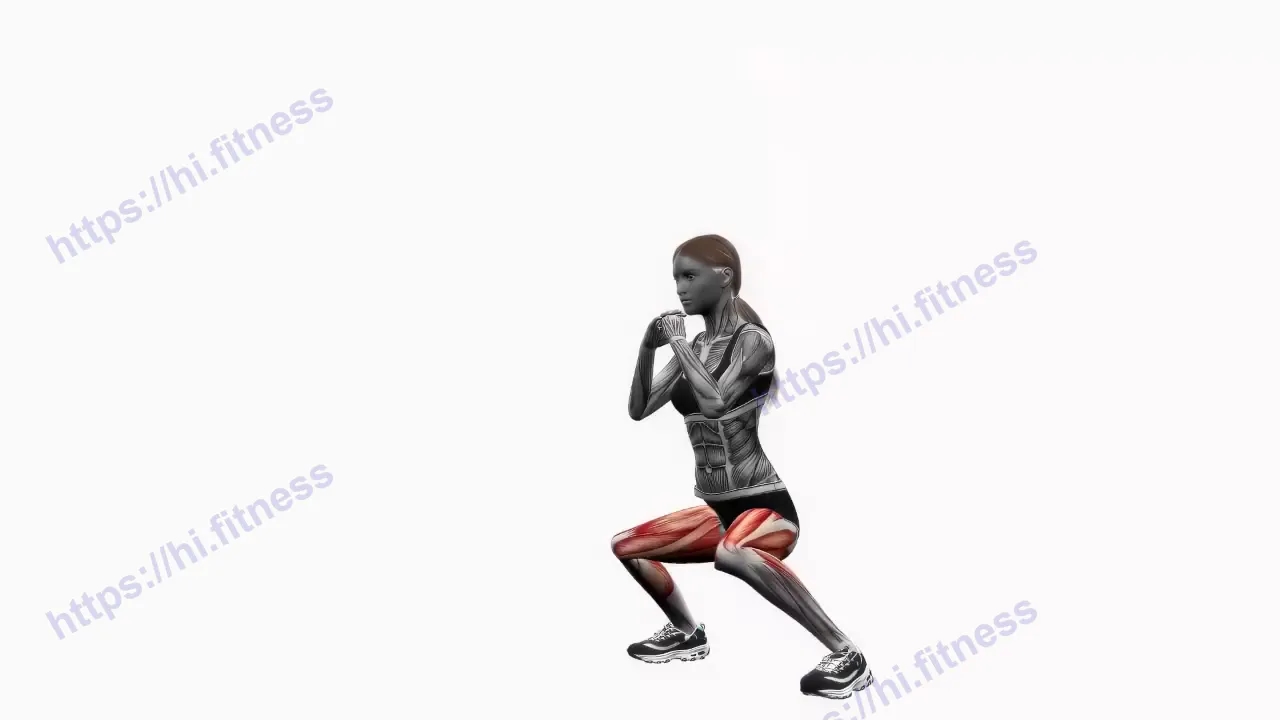
In and Out Squats Jump Bodyweight (2)
Quads · Bodyweight
Training guide
About training Bodyweight quad exercises
Choose one movement, perform it well, then progress it over time.
Why is this list so long?
Because almost every movement done on your feet bends and straightens the knee. Walking, running, jumping jacks and jumps load the quads with every step, so the catalog tags them with this muscle and the list swells. That is not a mistake, but as you read it, it helps to separate three kinds of entry.
The first group is strength work: squats, forward and reverse lunges, the Bulgarian split squat, step-ups, the kneeling sissy squat. The second is conditioning that tires the quads on the way past: burpees, high knees, jumps, walking and running. The third is stretching and mobility - the quad stretch, the butterfly, adductor openers. The first group builds legs, the second builds work capacity, the third does not load the muscle at all.
If you came here for quad exercises and not for a circuit, start with that first group and treat the rest as a warm-up or as a separate goal.
How do you load legs with no weight?
By taking legs away. A two-legged squat splits your body weight roughly in half, forward and reverse lunges move most of it onto the front leg, the Bulgarian split squat leaves the back leg nothing but a balancing job, and the skater squat and the pistol put practically all of you on one leg. That is the cleanest difficulty scale that exists without equipment, and it needs nothing but a chair.
The second direction is time under tension. A pause at the bottom, pulses in a lunge and an isometric hold against the wall turn a light movement into a hard set without changing the geometry at all. A wall sit does not look difficult until the first minute is up.
The third is range. The kneeling sissy squat and the Cossack squat put you in positions where the quad works deep in a stretch, which is why they can be demanding with zero external load. Learn both carefully, because they take the knee through a range not everybody is used to.
Progress the movement
Slow down and pause at the bottom
A squat with a two-second pause in the bottom is clearly harder than the same rep taken on rhythm, because the bounce is gone. With no equipment, tempo is the first variable you have.
Move your weight onto one leg
Forward lunges, reverse lunges and the Bulgarian split squat hand most of your body weight to a single leg. That is a jump in difficulty you cannot reproduce by piling on reps.
Raise the back foot higher
In the Bulgarian split squat, how high the rear foot sits decides how much of the load stays on the front leg. A low step, a chair and a bench are three different exercises in practice.
Explore further
Add this exercise to a workout and track your progress
Add it to a plan or to your current session, log sets, weight and reps, keep the instructions and tips at hand while you train, and check your previous results, records and volume.
- Plan - add this exercise to a workout
- Log - sets, weight and reps
- Progress - history, records and volume