Equipment
Dumbbell quad exercises
Dumbbells on legs have one drawback and one advantage, and both come from the same fact: you hold the weight in your hands. The drawback is a ceiling. Quads are stronger than grip, so in a two-legged squat the dumbbells run out long before the legs do - which is why this list is mostly lunges, reverse lunges, split squats and step-ups rather than heavy squats.
The advantage is freedom. You can hold a dumbbell in front of your chest, down at your sides, racked on your shoulders or overhead, and each of those turns the movement into something else. You can also drop it at any moment, which is why people attack single-leg work with dumbbells more boldly than with a bar on their back.
Exercise library
All Dumbbell quad exercises
45 exercisesFilters
Filters
Training type
- Preview unavailable
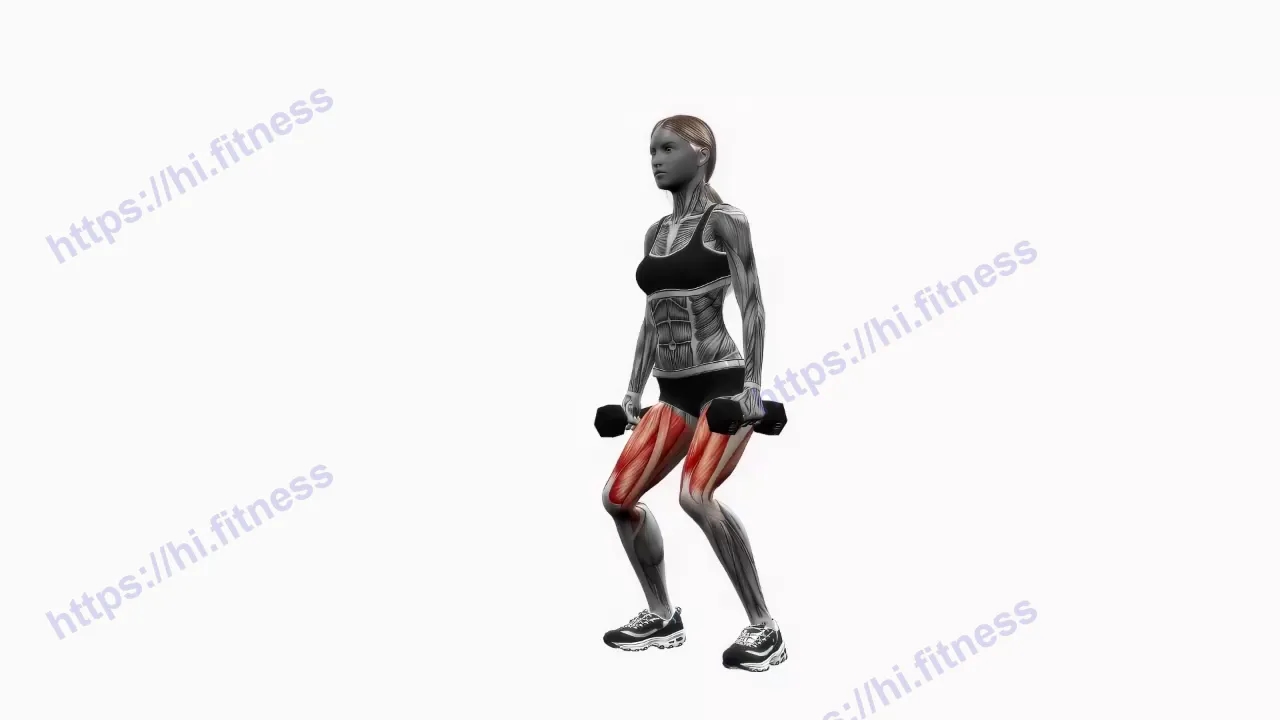
Dumbbell Squats
Quads · Dumbbell
- Preview unavailable

Dumbbell Rear Lunge
Quads · Dumbbell
- Preview unavailable

Dumbbell Front Squat
Quads · Dumbbell
- Preview unavailable
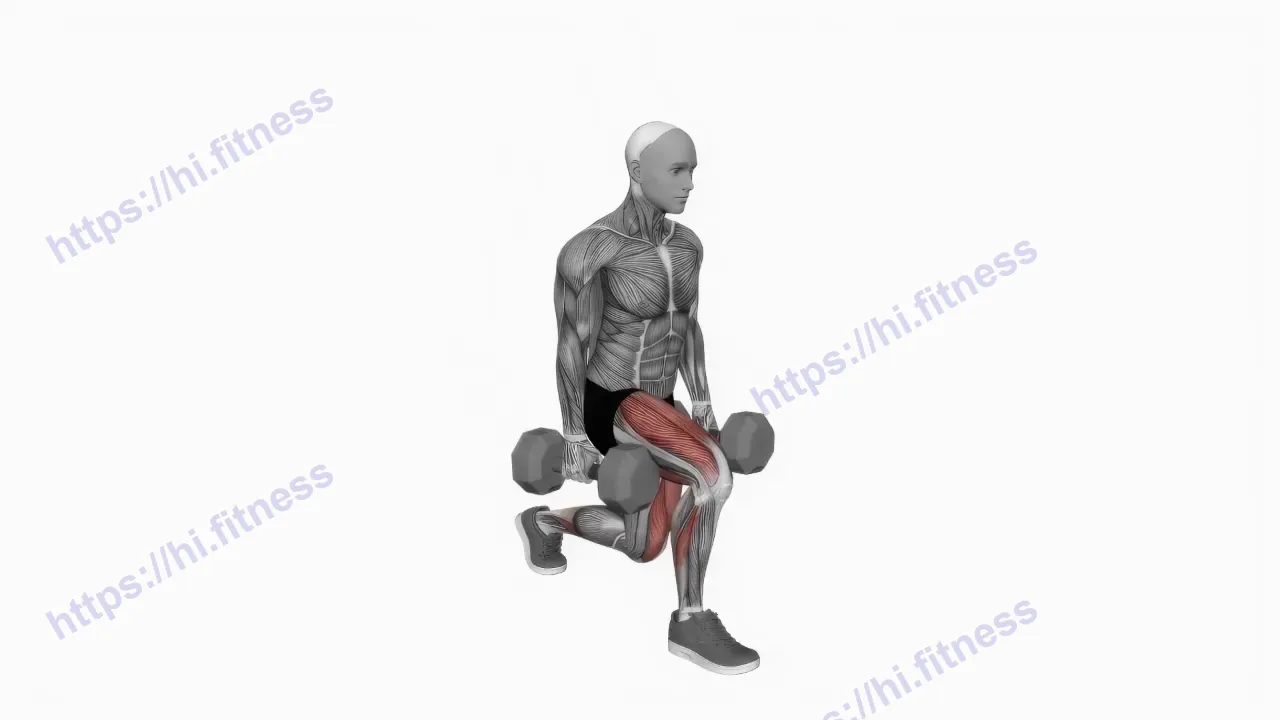
Dumbbell Split Squat
Quads · Dumbbell
- Preview unavailable
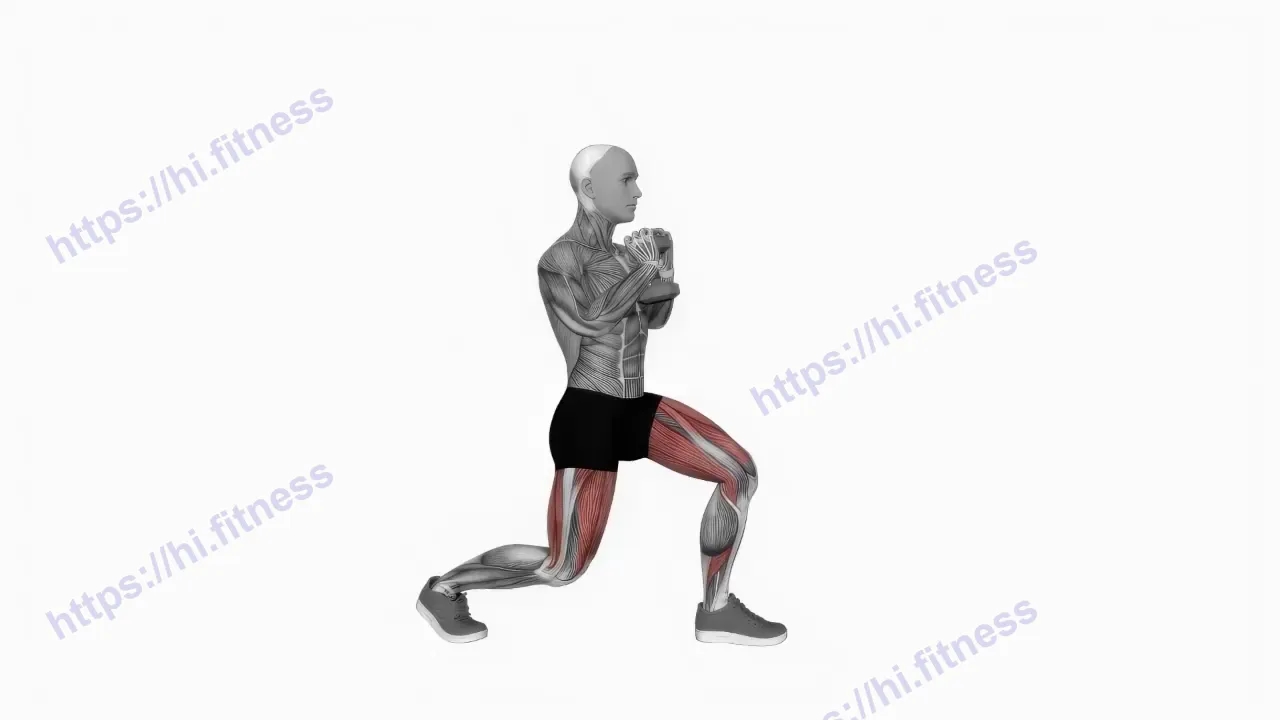
Dumbbell Goblet Split Squat
Quads · Dumbbell
- Preview unavailable

Dumbbell Goblet Forward Lunge
Quads · Dumbbell
- Preview unavailable

Dumbbell Lunge Alternating on the Spot
Quads · Dumbbell
- Preview unavailable

Dumbbell Single Leg Step-up
Quads · Dumbbell
- Preview unavailable
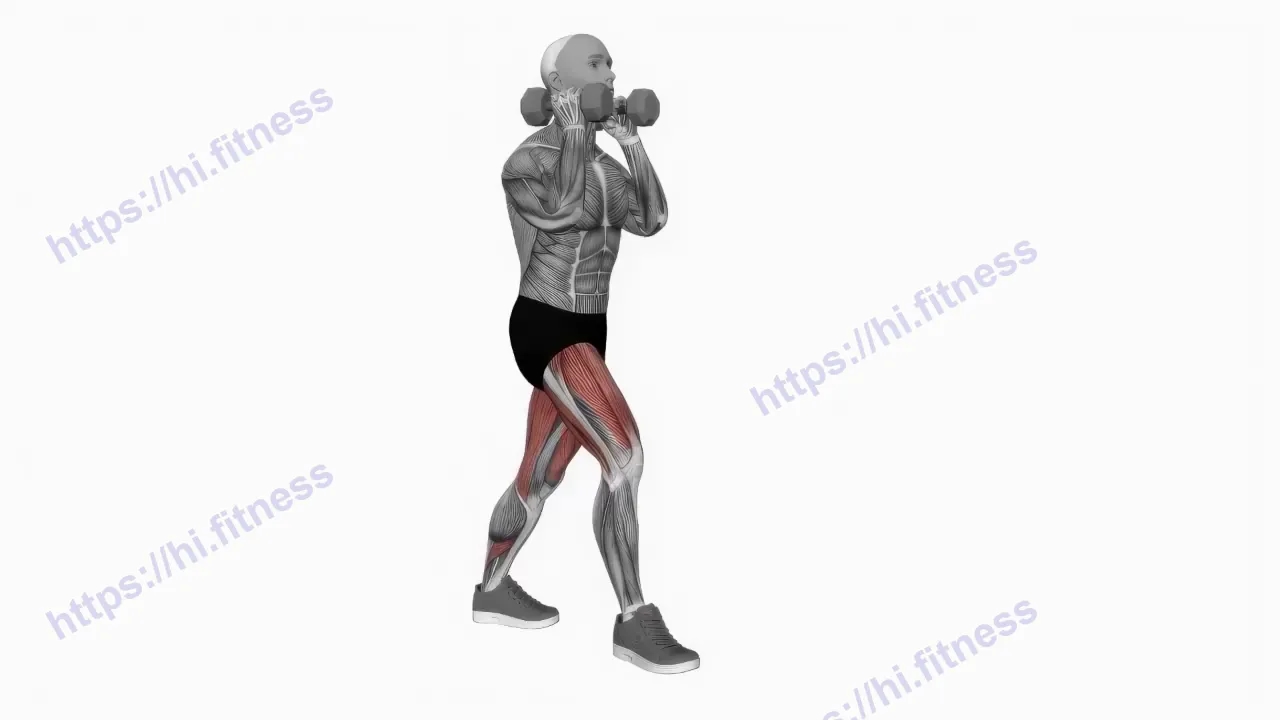
Dumbbell Front Rack Lunge
Quads · Dumbbell
- Preview unavailable
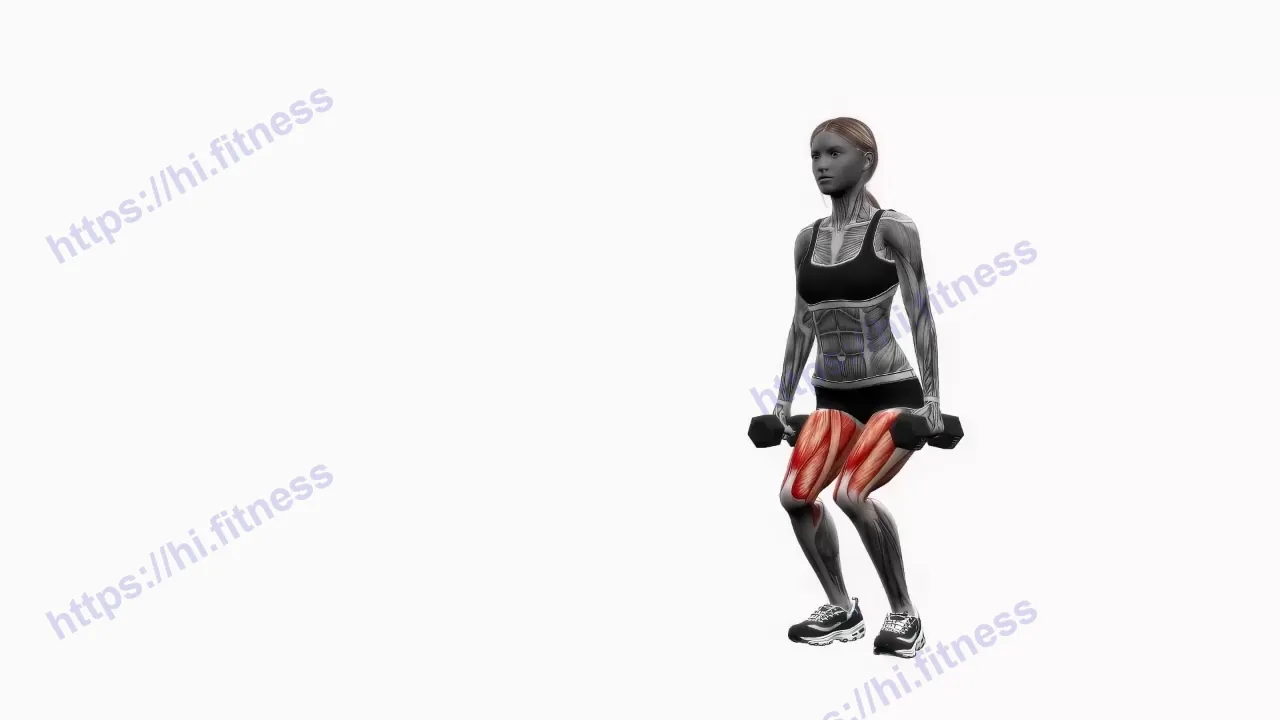
Dumbbell Narrow Stance Squats
Quads · Dumbbell
- Preview unavailable

Dumbbell Reverse Lunge on the Spot
Quads · Dumbbell
- Preview unavailable
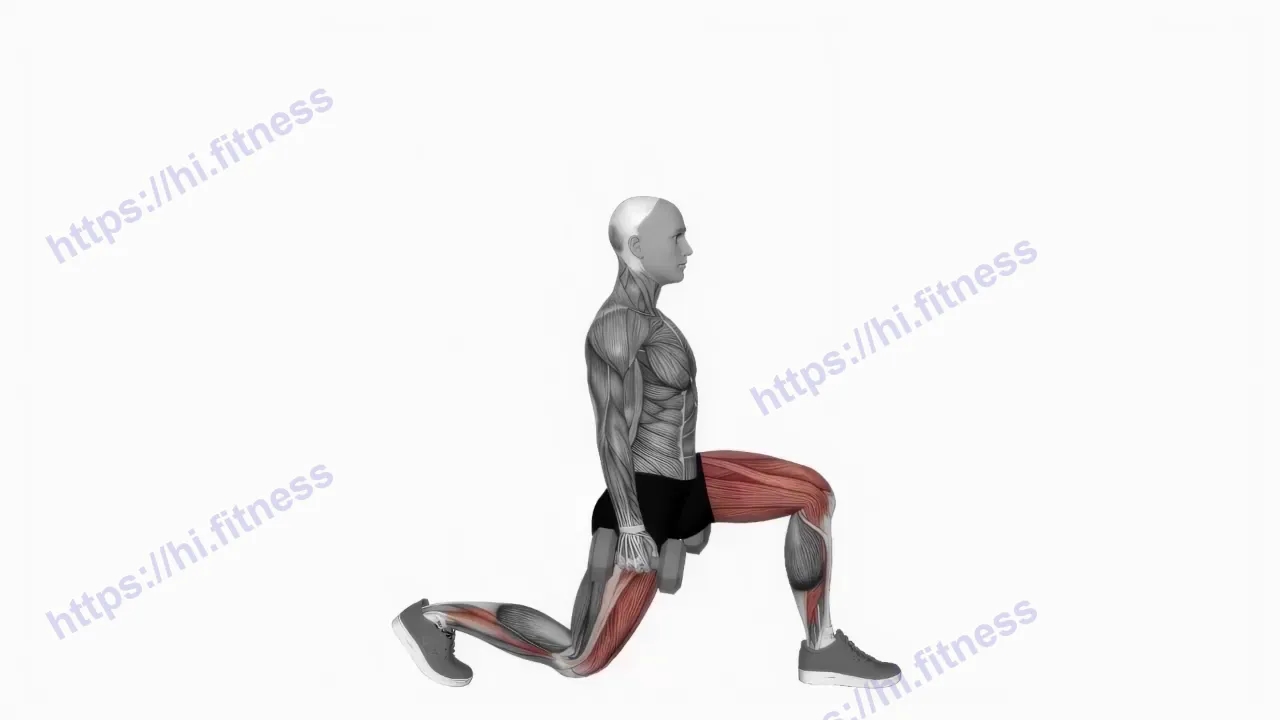
Dumbbell Static Lunge
Quads · Dumbbell
Training guide
About training Dumbbell quad exercises
Choose one movement, perform it well, then progress it over time.
Where do dumbbells run out?
At the two-legged squat. Your legs handle weight in that movement that two hands simply cannot hold, so the set ends early: the forearms let go, the dumbbells start to slip, and the quads walk away under-worked. That is not a flaw in your technique, it is arithmetic - two 20 kg dumbbells are 40 kg, and plenty of people start their barbell squat above that number.
Hence the shape of this list. The dumbbell entries for quads lean on lunges, reverse lunges, split squats, step-ups onto a bench and Bulgarian versions, because in every one of them most of your body weight already rests on a single leg. The dumbbells do not have to replace a barbell there; they only have to add to what you are already carrying.
That leaves two workarounds for the squat itself: the goblet position, where you hold one heavier dumbbell with both hands in front of your chest, and slowing the rep down with a pause at the bottom. Neither raises the ceiling forever, but both move it noticeably.
Where should you hold the weight?
This is the most important choice on the page, more important than the name of the exercise. Dumbbells at your sides get in the way of nothing and let you take the most weight, but all of it hangs outside your torso and does nothing to help you balance. The goblet position works the other way: a dumbbell in front of your chest is a counterweight that lets you sit lower with an upright torso, except now the limit moves to your arms.
Dumbbells racked on the shoulders are the compromise - the weight sits close to your centerline, so the back works less than it does with the load out front, and the elbows have to stay high so the bells do not roll off. The overhead version is the hardest and has the least to do with quads: the legs could usually do more, but the shoulders and torso decide when the set is over.
The practical conclusion is that with dumbbells you never compare weight on its own. Thirty kilos in a goblet position and thirty kilos split across two hands at your sides are two different exercises, so when you log the set, write down where the weight was held as well.
Progress the movement
Move the load from two legs to one
A pair of dumbbells in a two-legged squat is rarely more than a few tens of kilos in total. The same pair in a Bulgarian split squat lands on one leg, and suddenly it is enough.
Raise the front foot or the back one
A split squat with the front foot on a platform lengthens the range; the Bulgarian version with the back foot on a box takes away what support that leg had left. Both add difficulty without a heavier pair.
Change where you hold the dumbbells
The same weight at your sides, in front of your chest and overhead is three different difficulty levels. Overhead, the limit stops being the leg and becomes your torso and shoulders.
Explore further
Add this exercise to a workout and track your progress
Add it to a plan or to your current session, log sets, weight and reps, keep the instructions and tips at hand while you train, and check your previous results, records and volume.
- Plan - add this exercise to a workout
- Log - sets, weight and reps
- Progress - history, records and volume