Equipment
Glute exercises with no equipment
With no load the only weight is the leg itself, and a leg weighs a fraction of what you can park on your hips in a hip thrust. That is why this list looks nothing like the barbell one: there is no strength work on it, only positions where the glute works through a small range, for a long time, with nothing else helping.
That does not make it pointless. Clamshells, donkey kicks and the single-leg bridge do something weight on its own never forces: they make you hold the pelvis level while only one side supports you. If what you want is resistance, the cheapest band you can buy changes this list more than another ten reps will.
Exercise library
All Glute exercises with no equipment
18 exercisesFilters
Filters
Training type
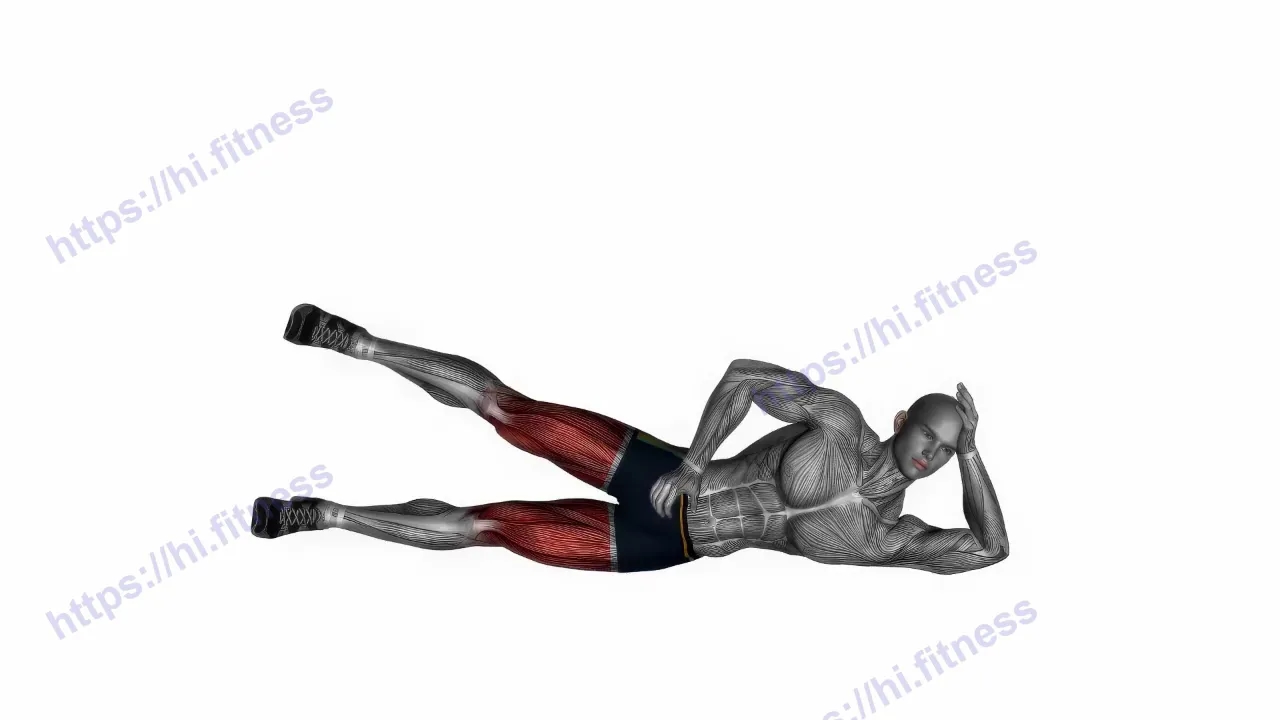
Side Lying Leg Lift Right
Glutes · Bodyweight
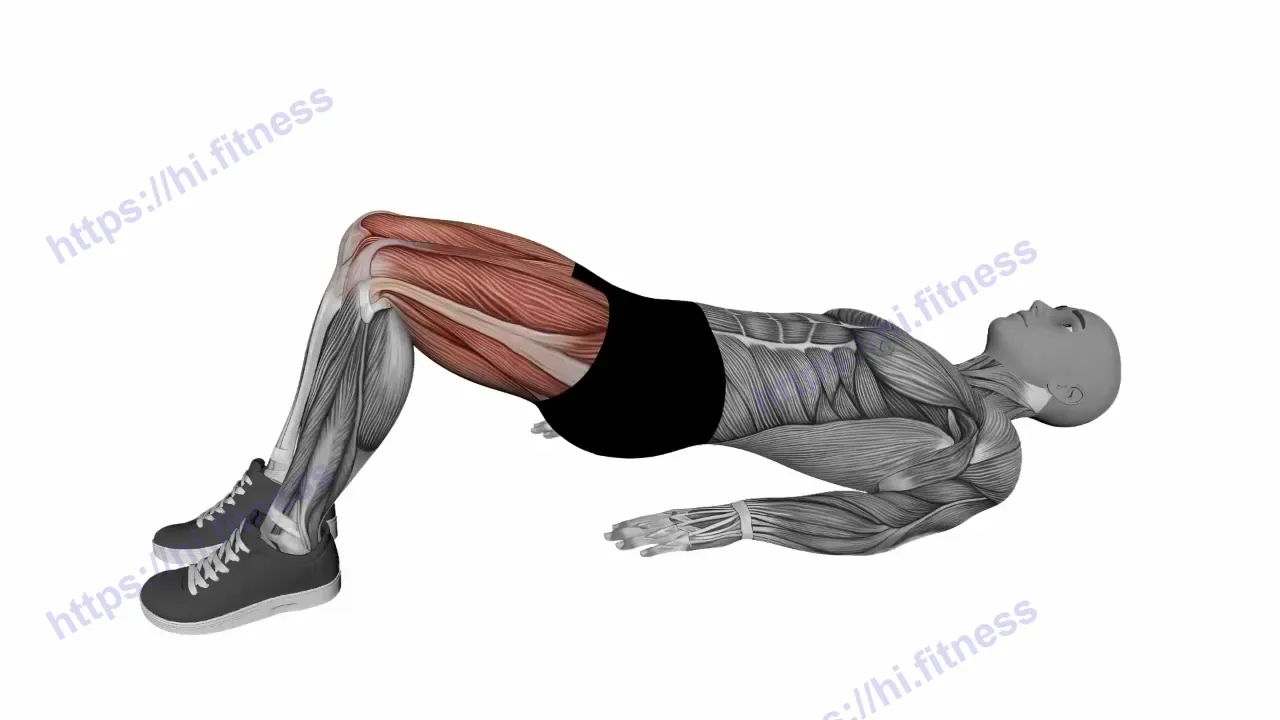
Glute Bridge with Abduction Bodyweight
Glutes · Bodyweight
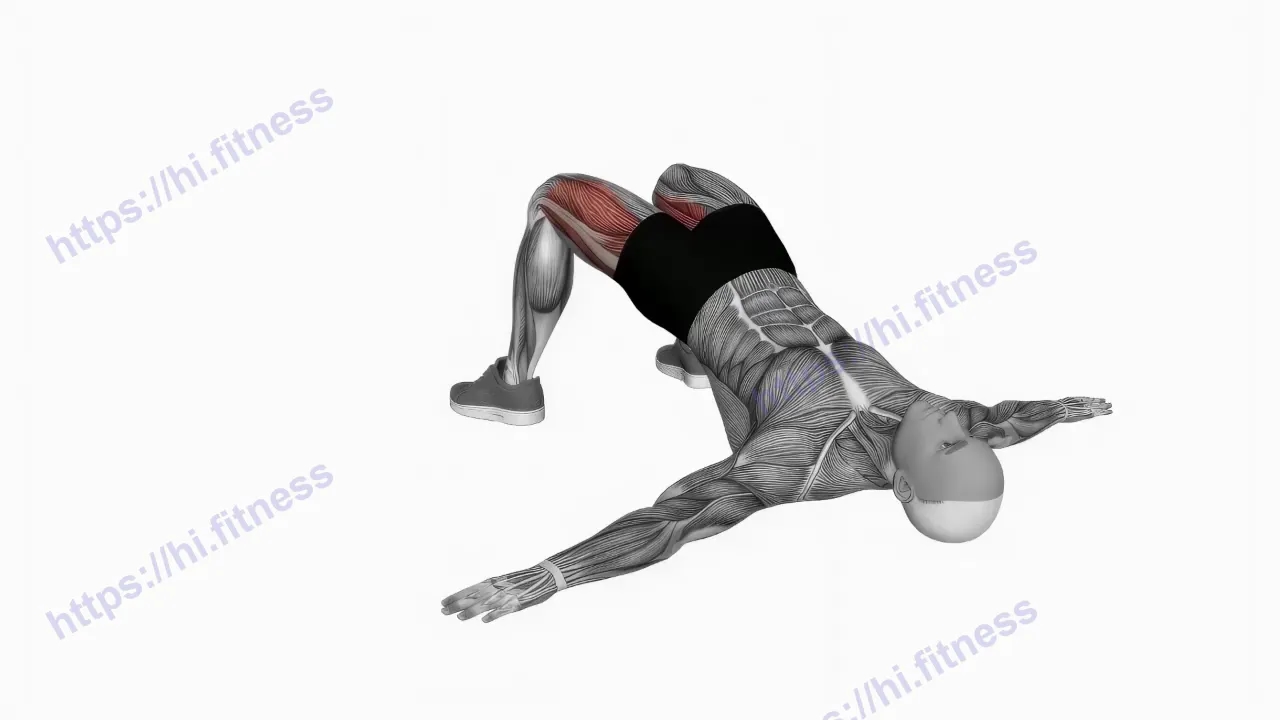
Bridge Hip Abduction
Glutes · Bodyweight
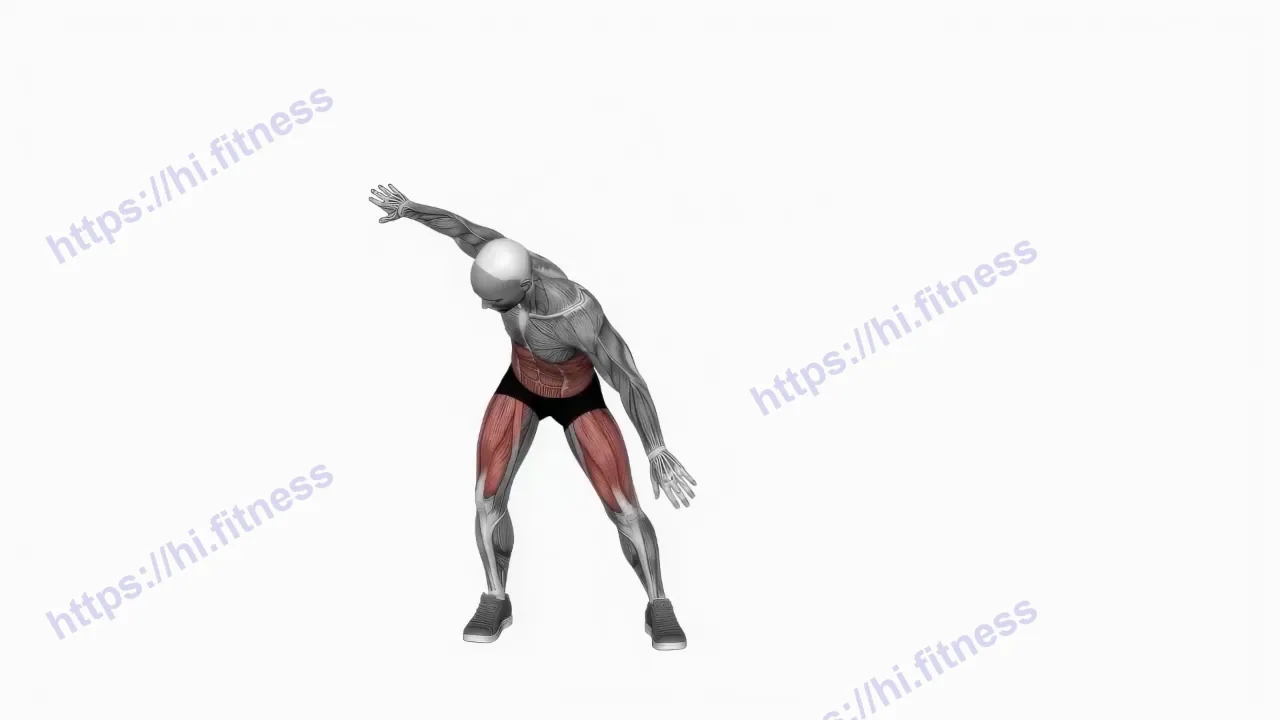
Diagonal Lunge
Glutes · Bodyweight
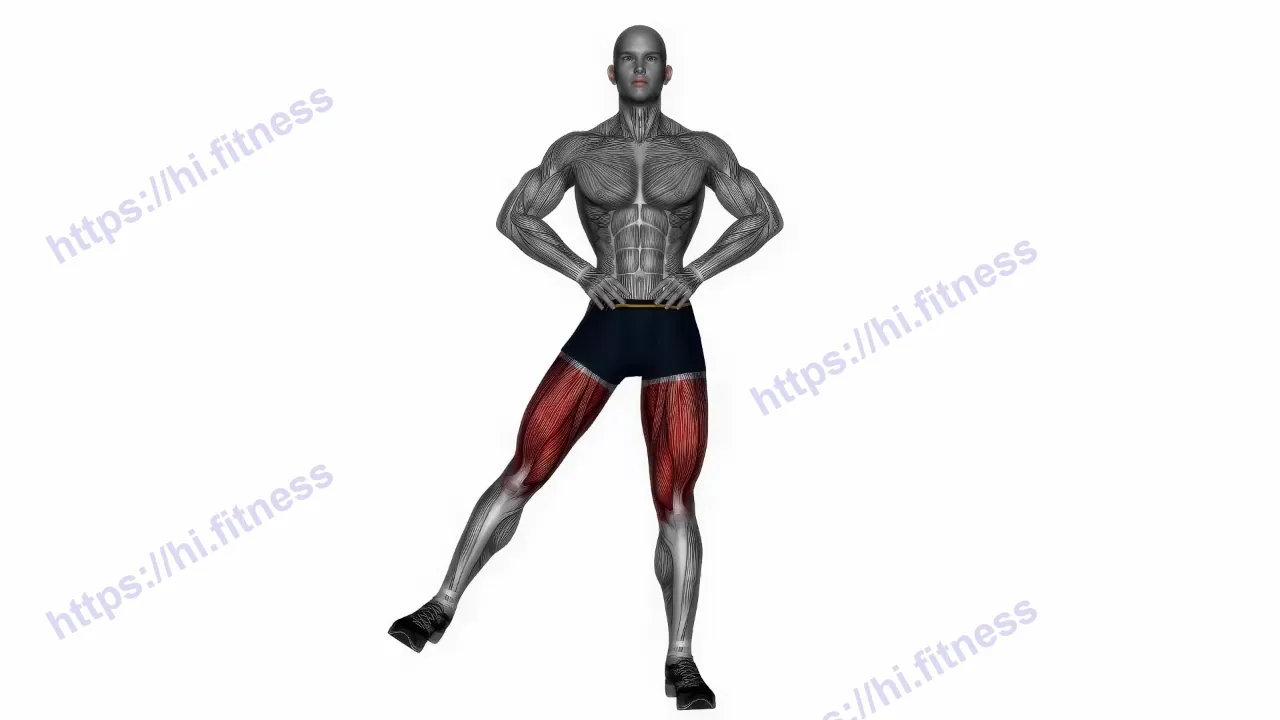
Standing Side Leg Raises
Glutes · Bodyweight
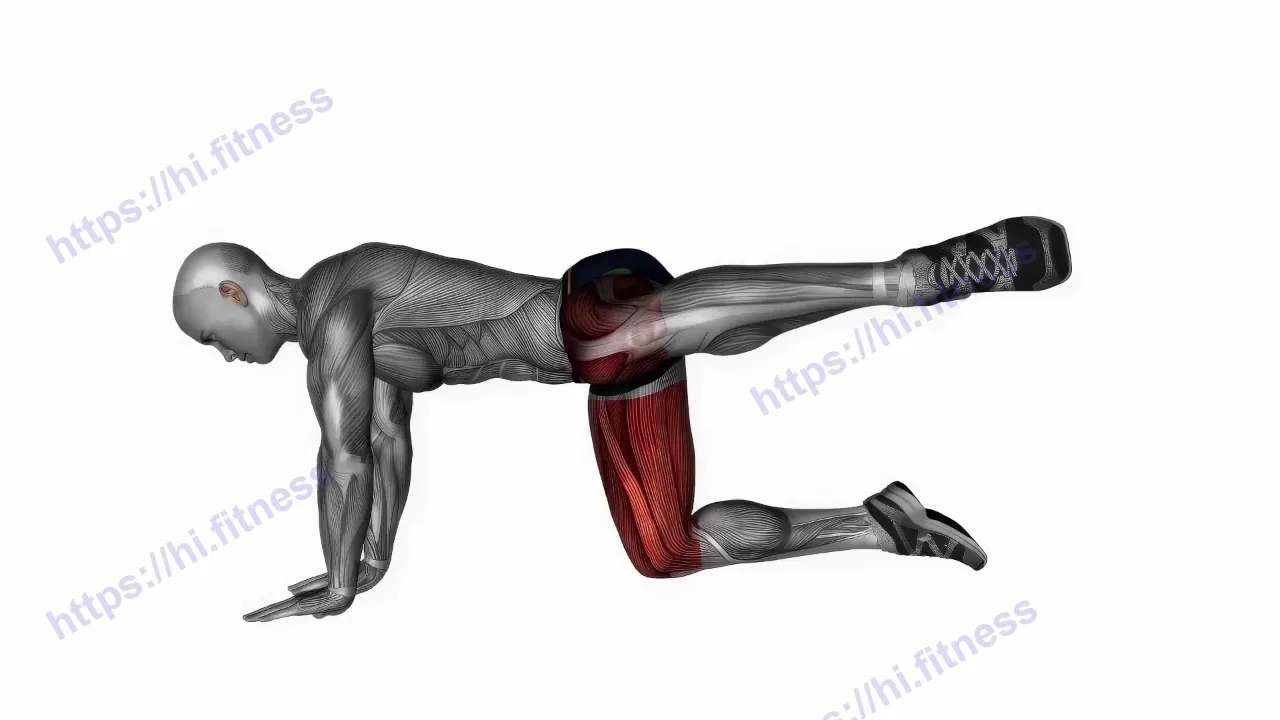
Fire Hydrant Bodyweight
Glutes · Bodyweight

Bent Leg Side Kick (Kneeling)
Glutes · Bodyweight

Bent Knee Back to Side Kick
Glutes · Bodyweight
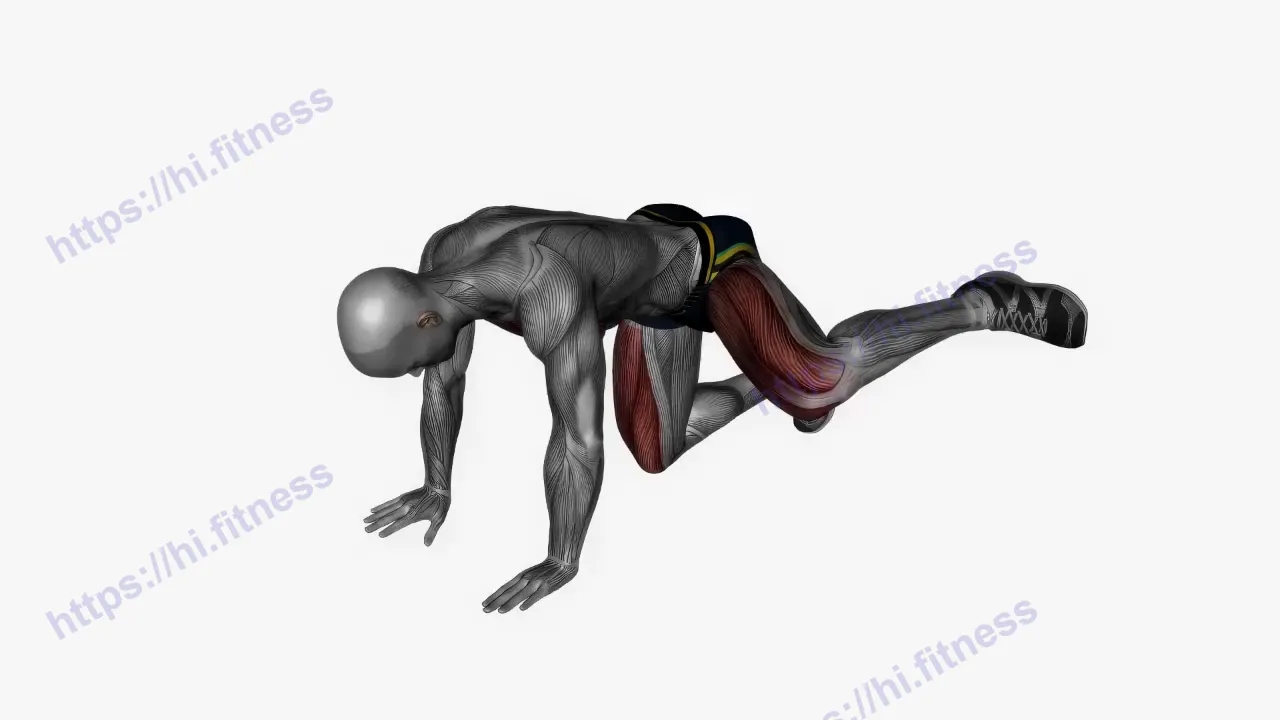
Fire Hydrant Circle Bodyweight
Glutes · Bodyweight

Alternate Single Leg Raise Plank
Glutes · Bodyweight
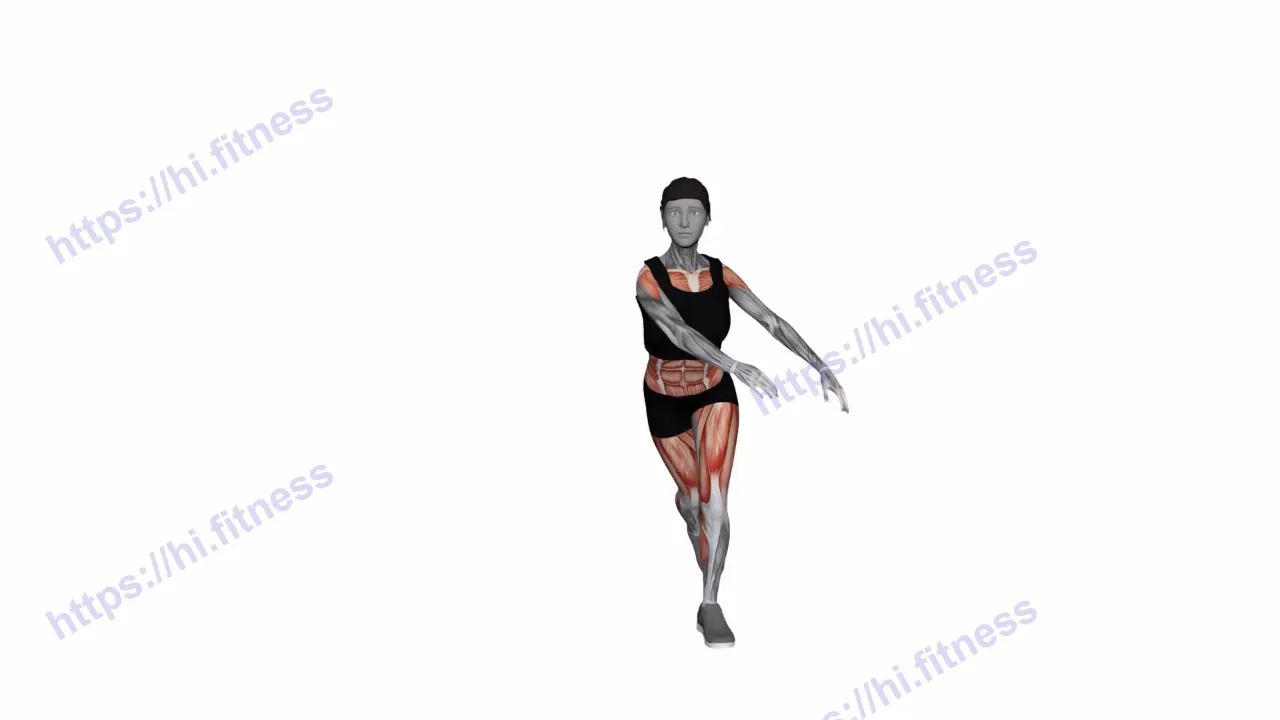
4 Corners Curtsy
Glutes · Bodyweight
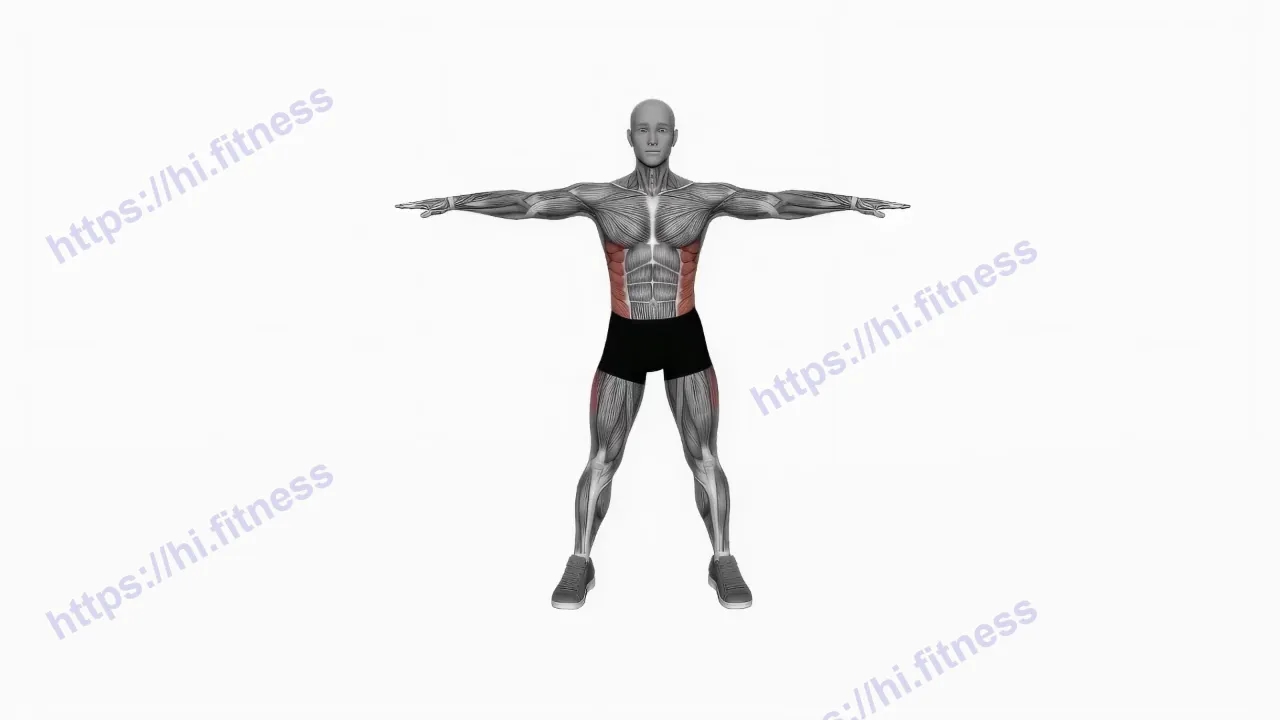
Body Slide
Glutes · Bodyweight
Training guide
About training Glute exercises with no equipment
Choose one movement, perform it well, then progress it over time.
How far can you get with no load?
The honest answer is: not as far as the length of the list suggests. The resistance is the weight of one leg out on a lever, and that is enough at the start, after a long layoff, or as work between heavier sessions. It is not enough for long, and no amount of extra reps gets around that.
You can read it off the cues in the atlas itself. On these movements almost every one of them is about tempo and control: don't swing, don't jerk, pause at the top, lower slowly. That tells you where the difficulty is supposed to come from, given that it is not coming from load.
In exchange you get something a barbell does not give you. These positions - lying on your side, on all fours, flat on your back - set the hip up so that no other muscle group has any way to take the work. They do not replace weight, they do a different job.
Why is almost everything here single-sided?
Because half of the glute's job is keeping the pelvis level when only one foot is on the ground. That is every step, every run and every flight of stairs. Clamshells, side-lying leg raises, kickbacks and abductions on all fours, and the bridge with alternating leg raises all make exactly that demand. With both feet down the stronger side quietly picks up the slack; with one, it has no way to.
Which is why the mistakes on this page are about the pelvis rather than the leg. Rolling the torso back in a clamshell, twisting the hips on a kneeling abduction, letting the pelvis drop in a single-leg bridge - all three buy range the hip never earned. With no load there is no number on a bar to catch it, so the only measure left is whether the pelvis is still where it started.
Progress the movement
Straighten the leg
The same movement with the knee bent and with the leg straight is two different levels. A straight leg is a longer lever, so the hip has to lift it from further away.
Take away a point of support
A two-leg bridge rests on two feet, a bridge with one leg lifted on one. You add nothing at all, and the demand on the glute of the supporting side jumps.
Slow down and hold
With no weight, time under tension is what is left. A slower lowering and a pause at the top are the only two dials here you fully control.
Explore further
Workout tracker
Add this exercise to a workout and track your progress
Add it to a plan or to your current session, log sets, weight and reps, keep the instructions and tips at hand while you train, and check your previous results, records and volume.
- Plan - add this exercise to a workout
- Log - sets, weight and reps
- Progress - history, records and volume