Equipment
Front delt exercises without equipment
The bodyweight list for front delts is long, but very uneven. Most of it is arm circles, swings, arm pulses, boxing punches and stretching: movements that take the joint through its full range and warm it up before you train, but never put real resistance on the shoulder.
The exercises that actually load this muscle are few, and they all work the same way. They put your torso over your hands so your bodyweight travels through your arms. From the pike push-up to the handstand, what changes is mostly how much of your mass goes through there.
Exercise library
All Front delt exercises without equipment
36 exercisesFilters
Filters
Clear filtersTraining type
36 exercises
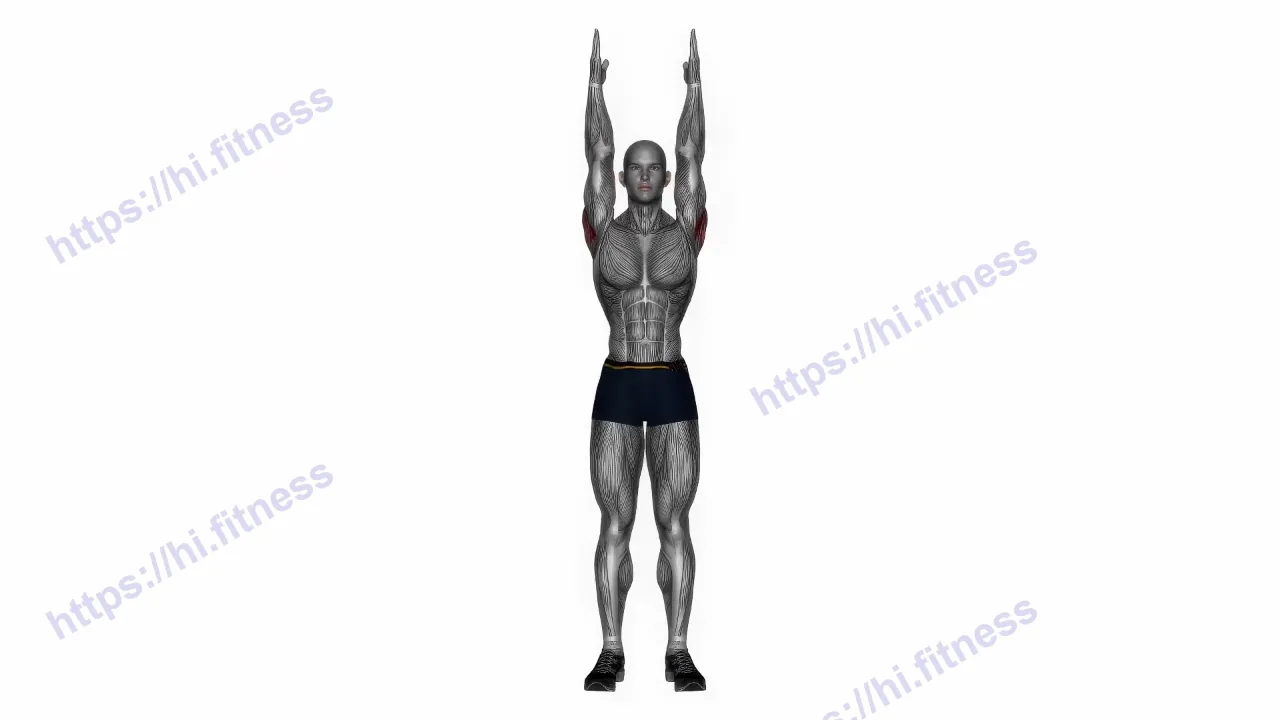
Shoulder Extension
Front delts · Bodyweight
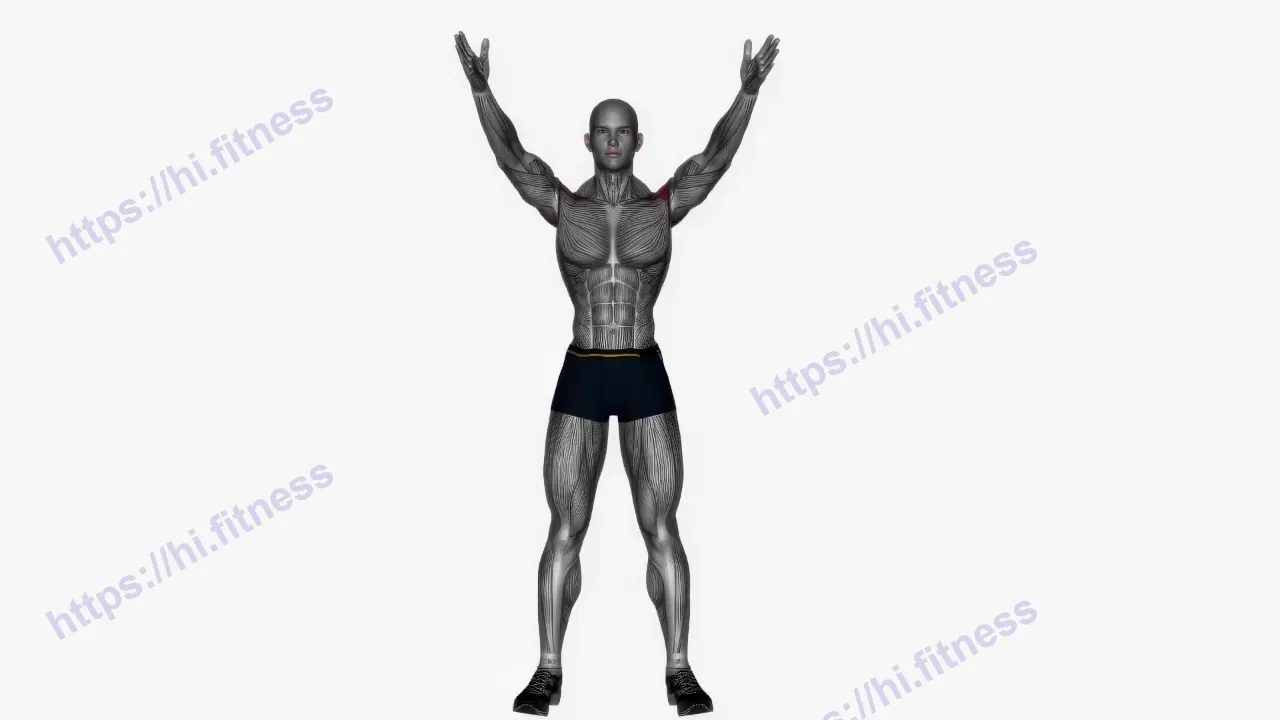
Standing Y Raise
Front delts · Bodyweight
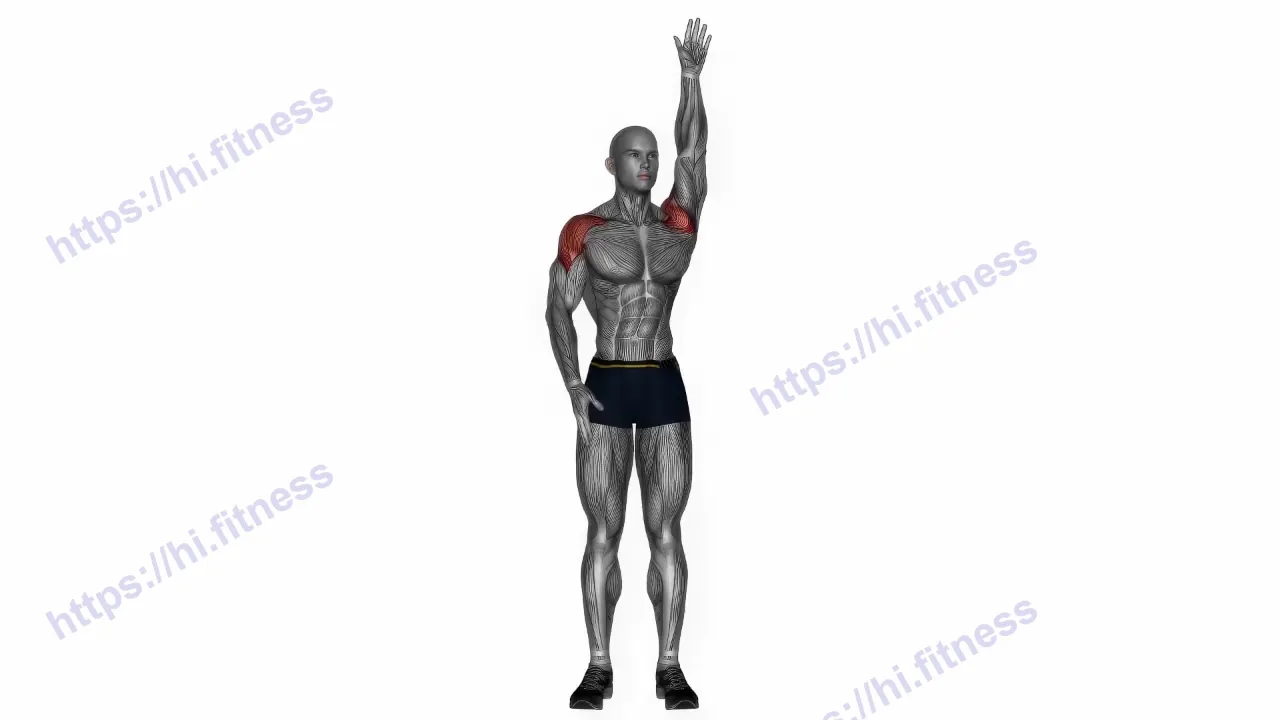
Standing Swimmer
Front delts · Bodyweight
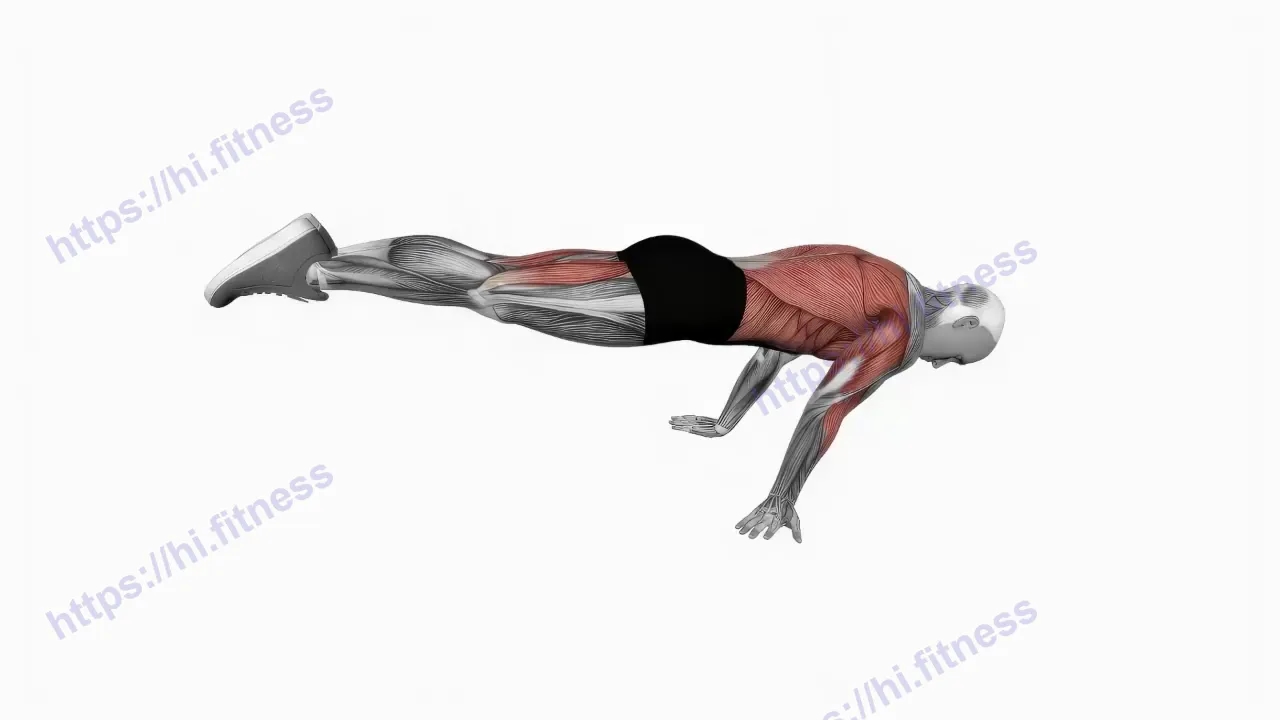
Full Planche Push Up
Front delts · Bodyweight
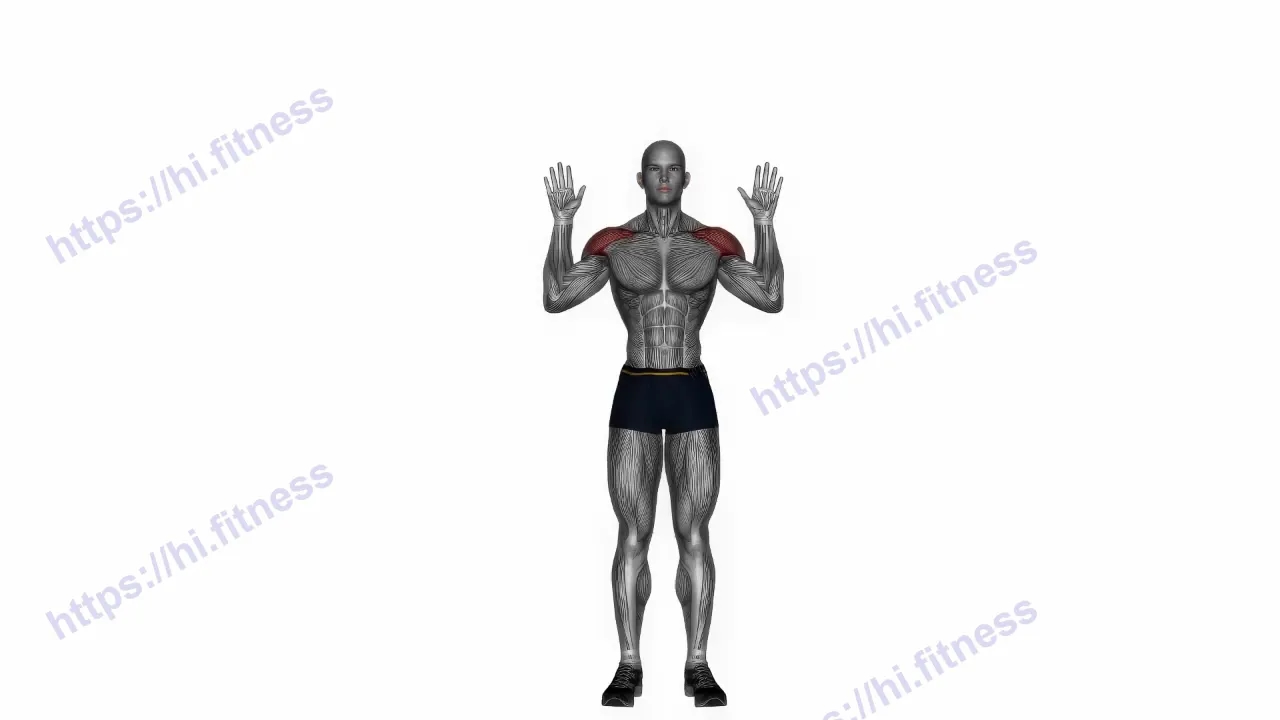
Military Press Bodyweight
Front delts · Bodyweight
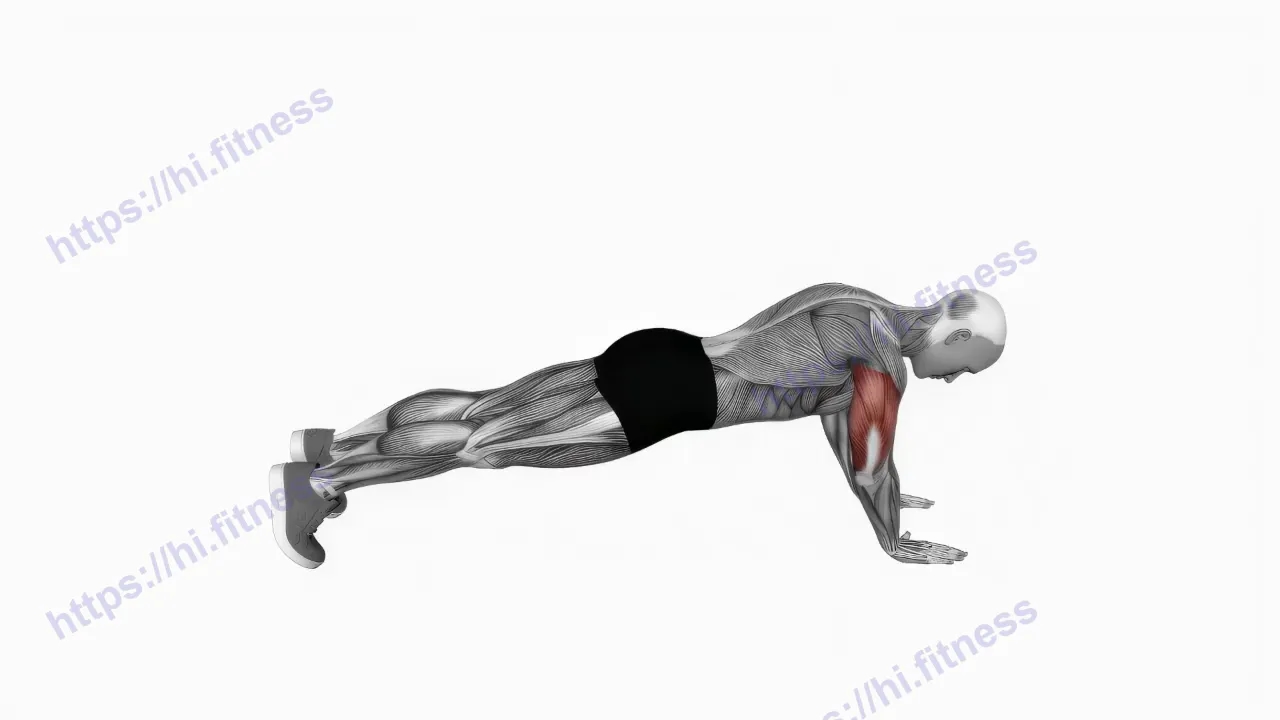
Body-up
Front delts · Bodyweight
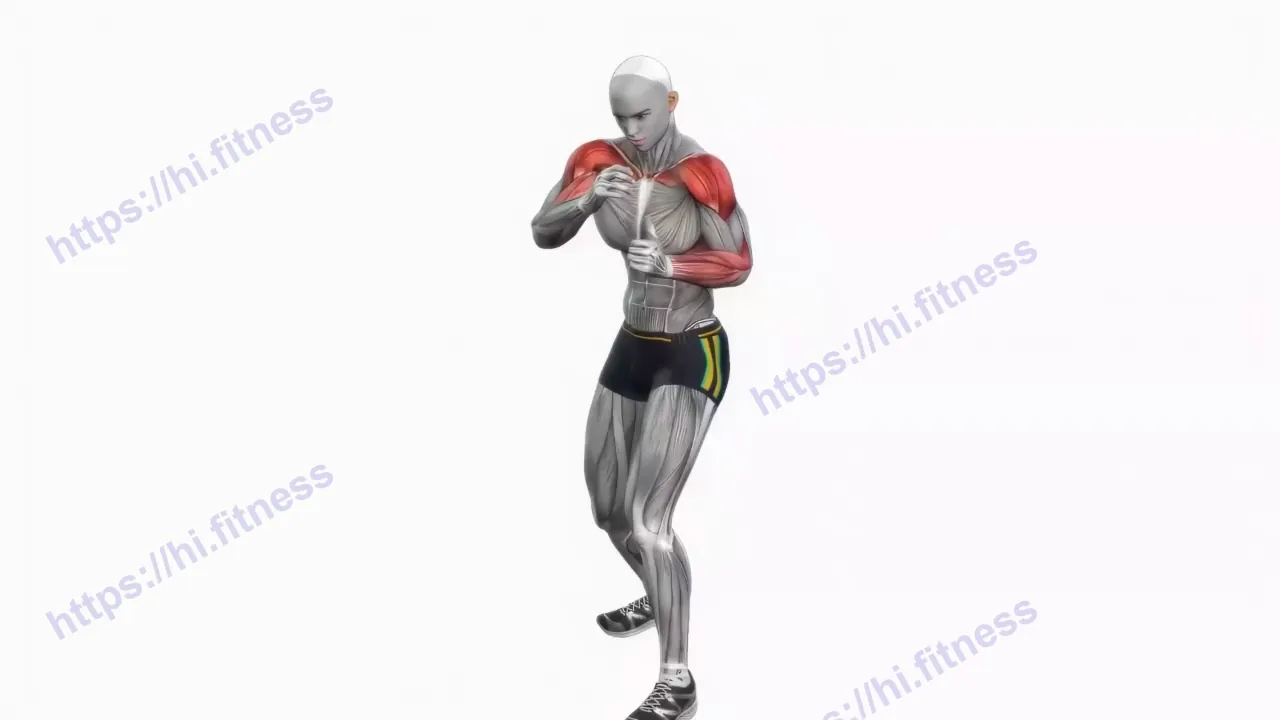
Shadow Boxing
Front delts · Bodyweight
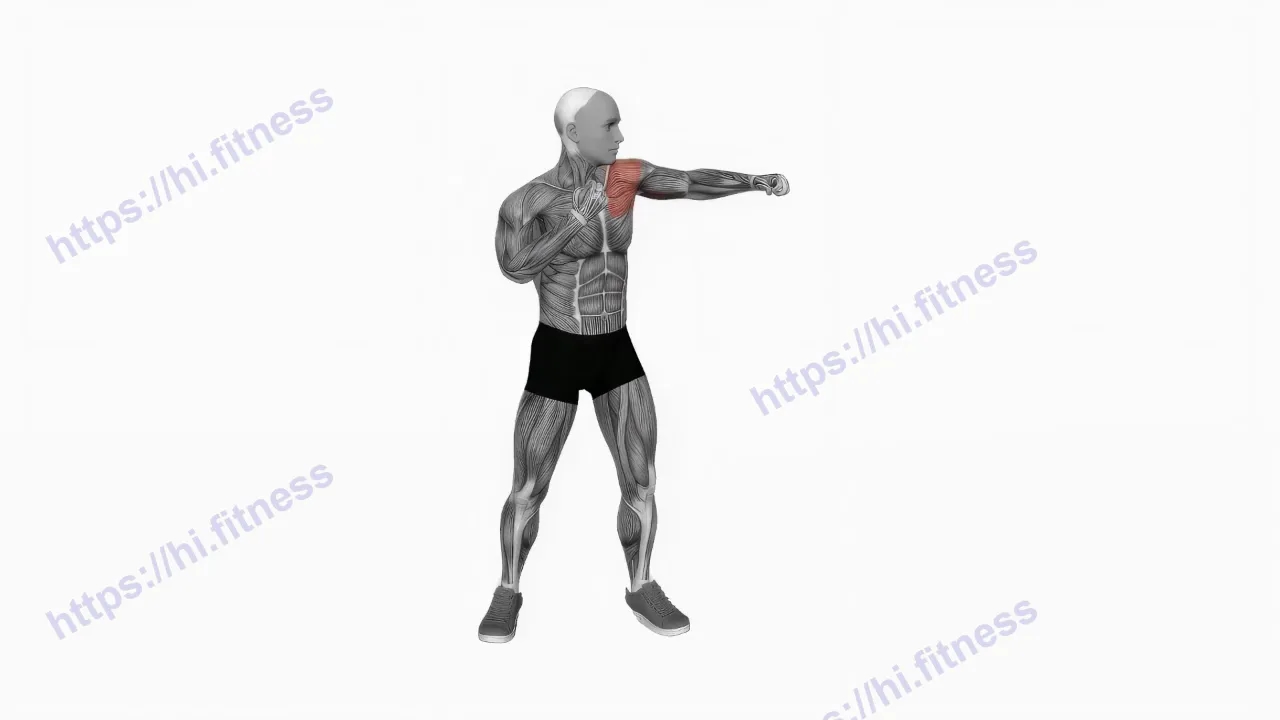
Boxing Jab
Front delts · Bodyweight
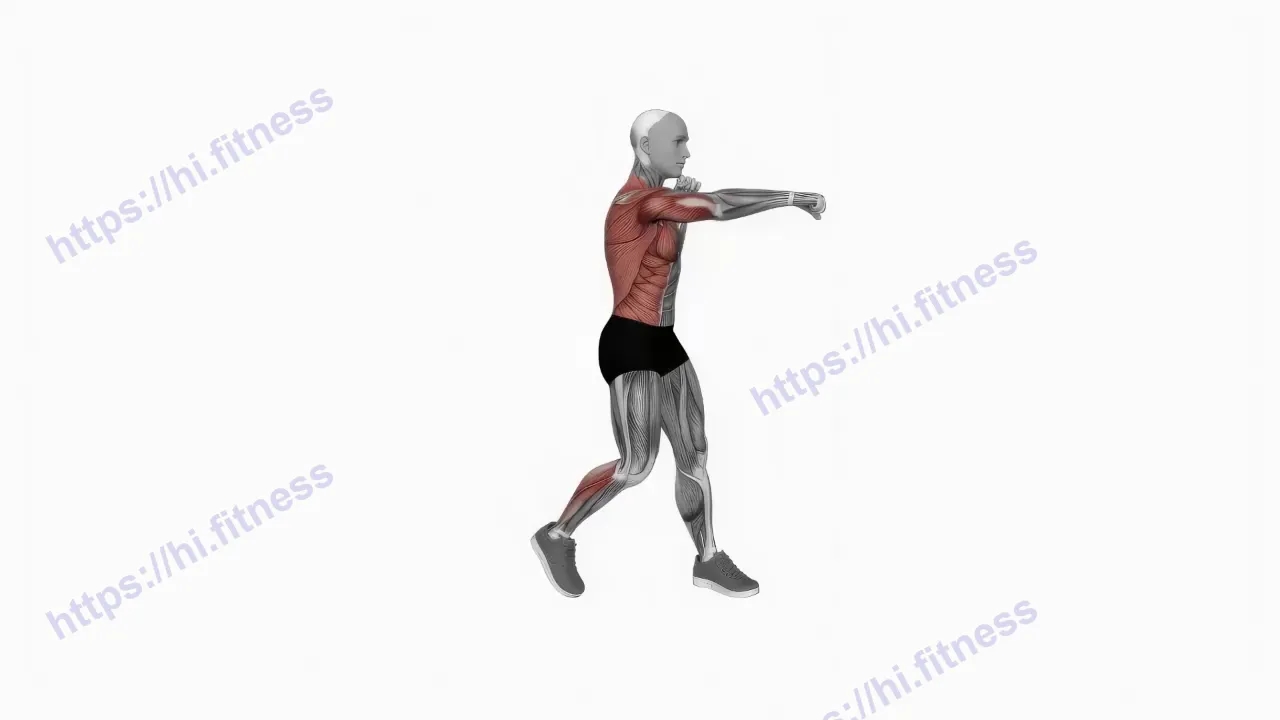
Boxing Right Cross
Front delts · Bodyweight
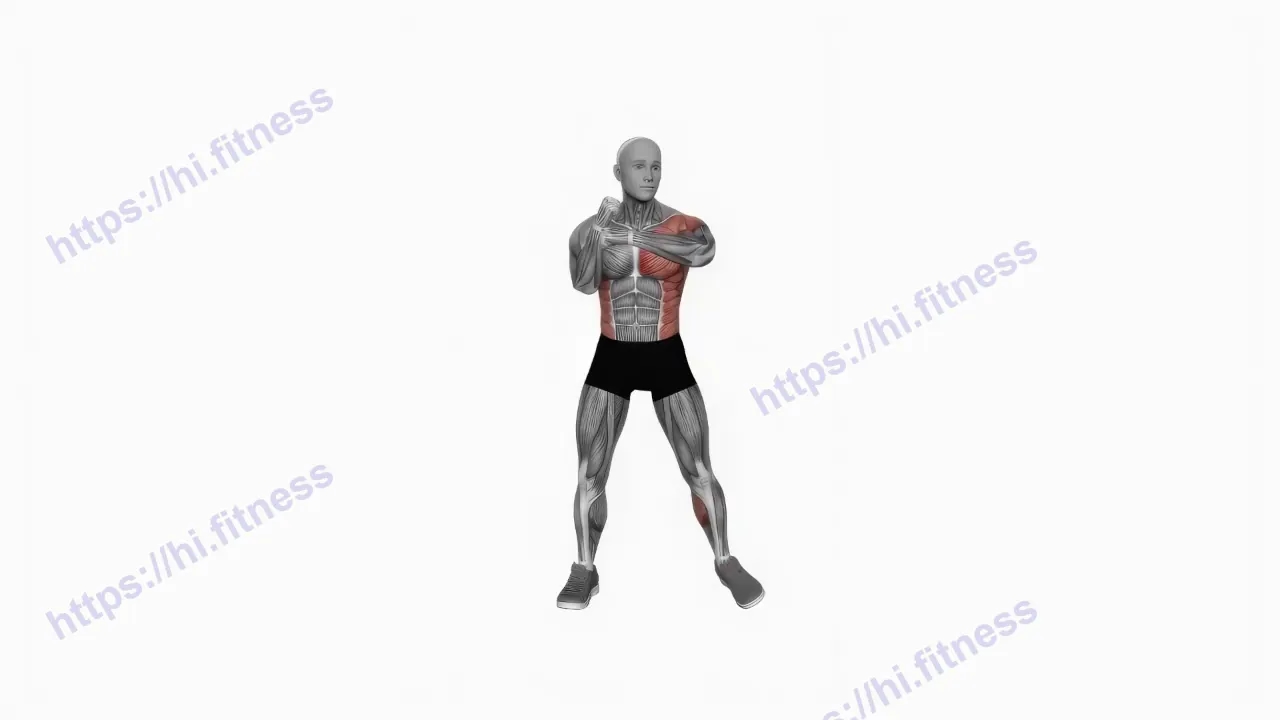
Boxing Left Hook
Front delts · Bodyweight
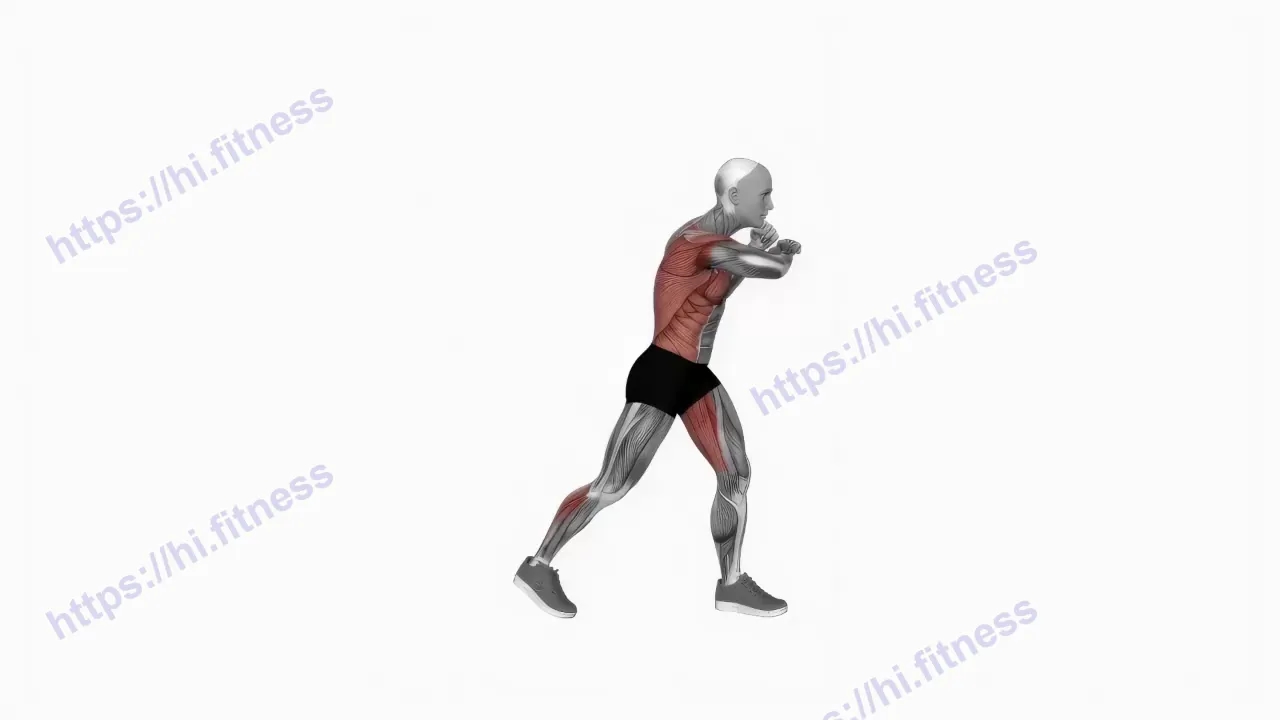
Boxing Right Hook
Front delts · Bodyweight
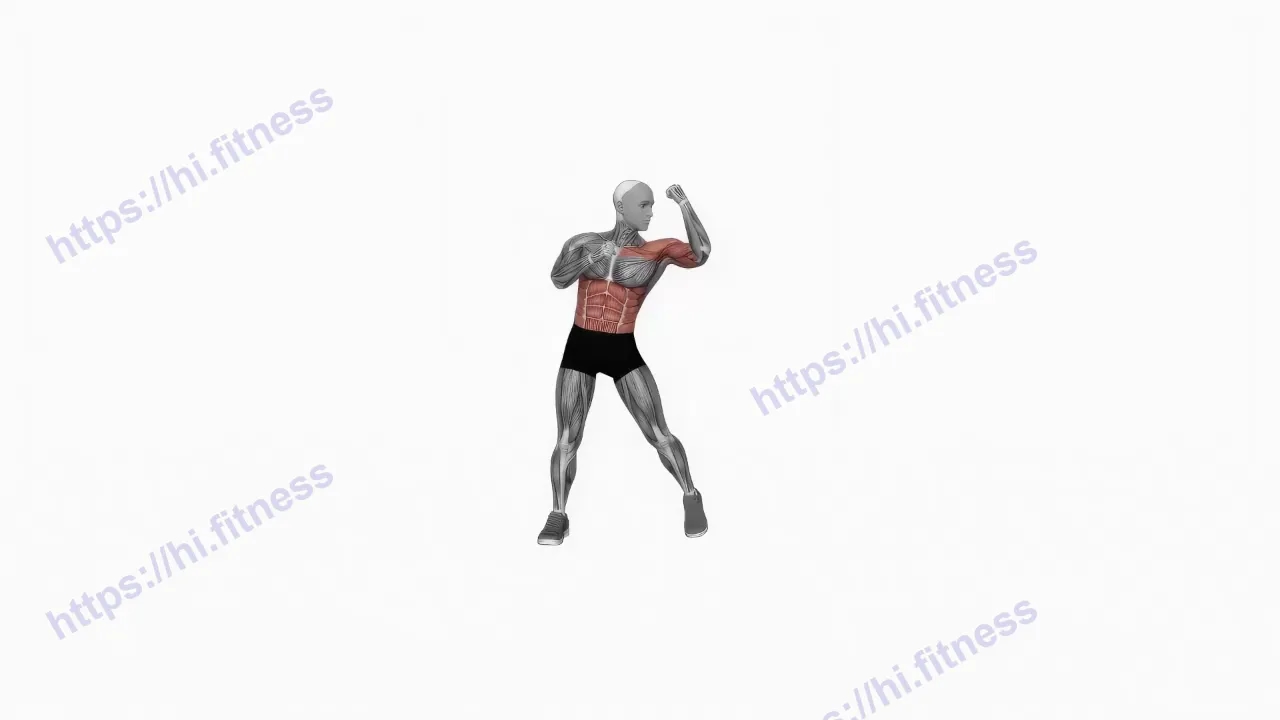
Boxing Left Uppercut
Front delts · Bodyweight
Training guide
About training Front delt exercises without equipment
Choose one movement, perform it well, then progress it over time.
What on this list actually loads the shoulder?
Arm circles, swings and pulses do exactly what they are for: they run the joint through its range and raise the temperature before you train. Boxing punches work the same way. The shoulder moves fast and often, but the resistance is close to zero. Good warm-up, poor strength work.
Real load starts where you stand on your hands. In an inverted V part of your bodyweight rests on your arms, and the more vertical your torso, the more of it does. That is the only weight the front delt can get without equipment, so the whole progression is about shifting that proportion, not about adding sets.
Worth knowing before you plan your shoulder training entirely off this list. The mobility and warm-up work here is complete. The exercises that will actually tire the shoulder out are few.
Where do you start when the pike is too hard?
A pike push-up asks for a fair amount of strength right away, because plenty of weight already hangs on your shoulders in the start position. If you are not descending at all, the sensible step back is to walk your hips back so your torso sits more horizontal. The closer you get to a plain push-up, the less mass on your arms, and the easier it is to do a full rep instead of a faked one.
The other route is a military press with no load, including the version against a wall. It will not tire the shoulder, but it teaches the path: your arms finish straight overhead, not out in front, and that same position will serve you later under any weight. It makes sense as a warm-up or a first week, not as the destination.
And if you have anything at home that weighs something, a resistance band, a backpack, a pair of dumbbells, it will do more for your front delts than the rest of this list put together. This muscle is simply hard to load with your body alone, and it is better to say so straight out.
Progress the movement
Walk your feet closer to your hands
In a pike push-up the angle of your torso sets the load. The more vertical your hips, the more of your mass goes through your shoulders, without changing anything else.
Get your feet up
Feet on a bench or a chair tip you further over your hands. The diamond version stacks a narrower hand position on top of that.
Take it to the wall
Handstand push-ups with your feet on a chair are the point where nearly all your bodyweight goes through your shoulders. A chair is easier to control than kicking up into a full handstand.
Explore further
Workout tracker
Add this exercise to a workout and track your progress
Add it to a plan or to your current session, log sets, weight and reps, keep the instructions and tips at hand while you train, and check your previous results, records and volume.
- Plan - add this exercise to a workout
- Log - sets, weight and reps
- Progress - history, records and volume