Equipment
Barbell glute exercises
A barbell is the only implement that lets you park a genuinely heavy load right on your hips and finish hip extension against it. That is where the hip thrust and the glute bridge come from - movements where the glute works hardest at exactly the point a squat runs out of tension.
The list splits into two families: bridge and thrust variations, and the hinge, meaning deadlifts, sumo and rack pulls. There is no abduction work on it, and that is not an oversight - you cannot set a barbell up to resist a leg traveling sideways. A band handles that half of the job.
Exercise library
All Barbell glute exercises
18 exercisesFilters
Filters
Training type
- Preview unavailable

Barbell Deadlift
Glutes · Barbell
- Preview unavailable

Barbell One Leg Hip Thrust
Glutes · Barbell
- Preview unavailable

Barbell Curtsy Lunge
Glutes · Barbell
- Preview unavailable

Barbell Lateral Lunge
Glutes · Barbell
- Preview unavailable
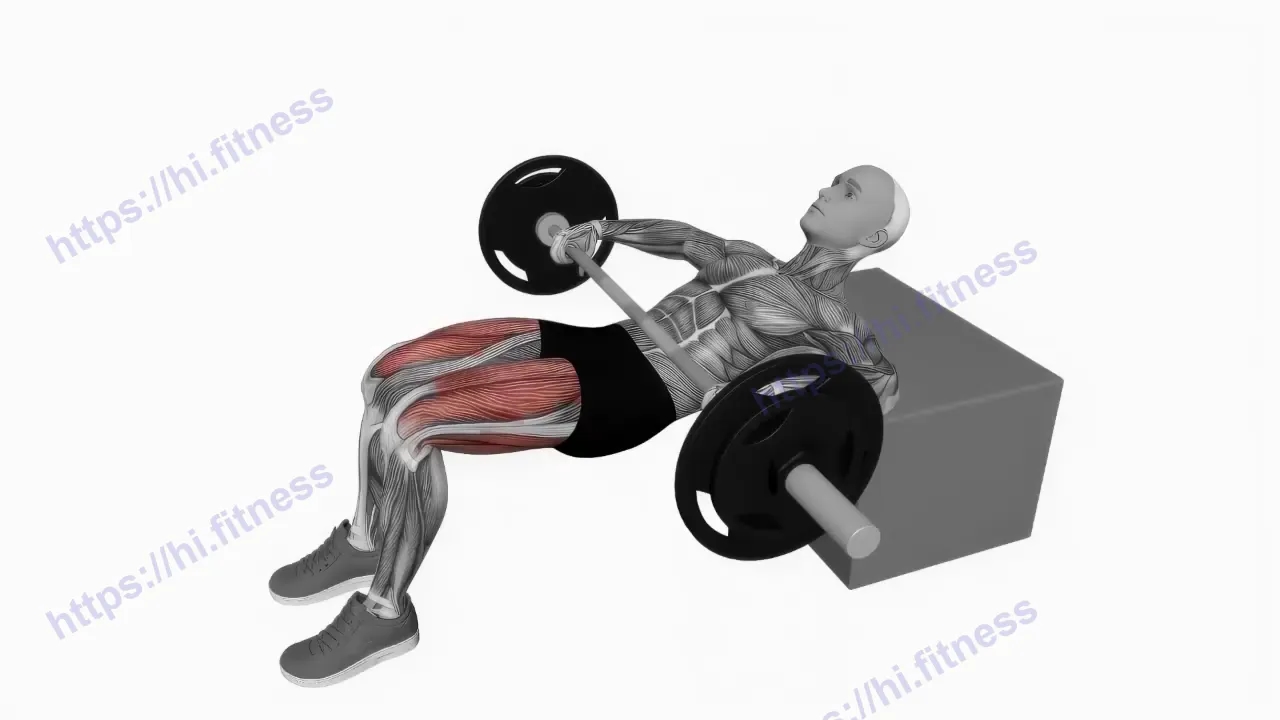
Barbell Kas Glute Bridge
Glutes · Barbell
- Preview unavailable
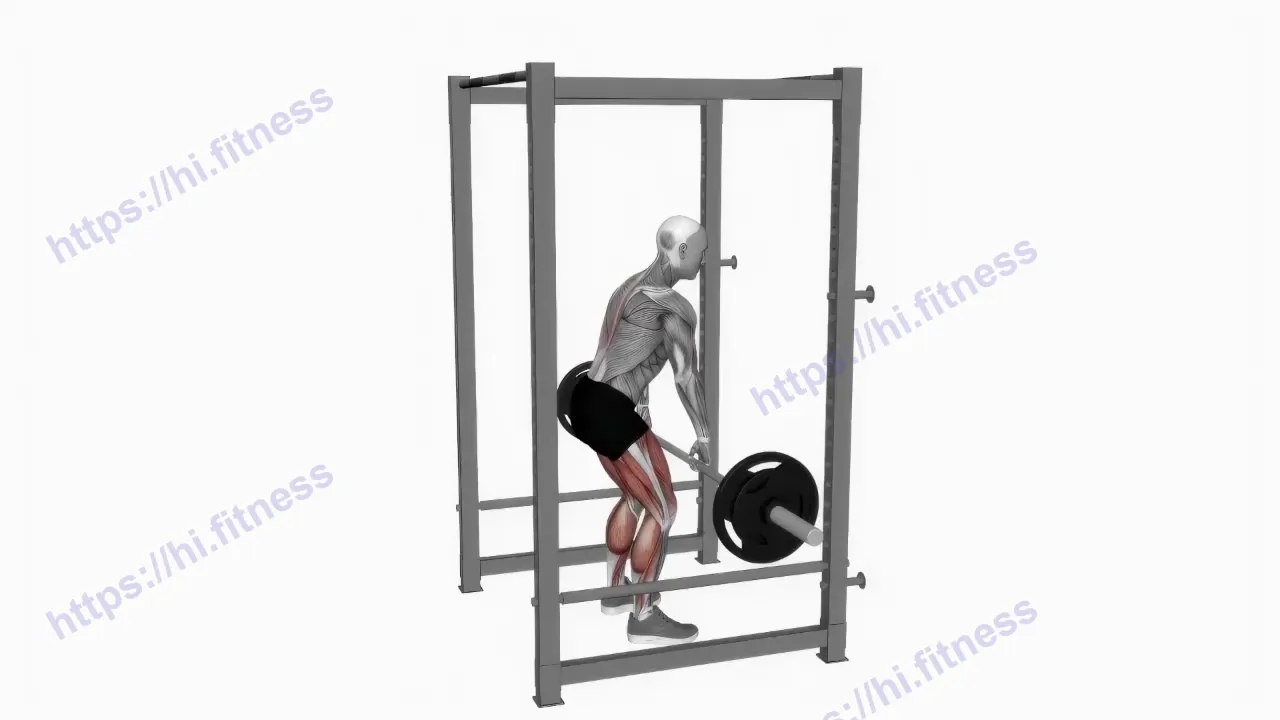
Barbell Rack Pull
Glutes · Barbell
- Preview unavailable
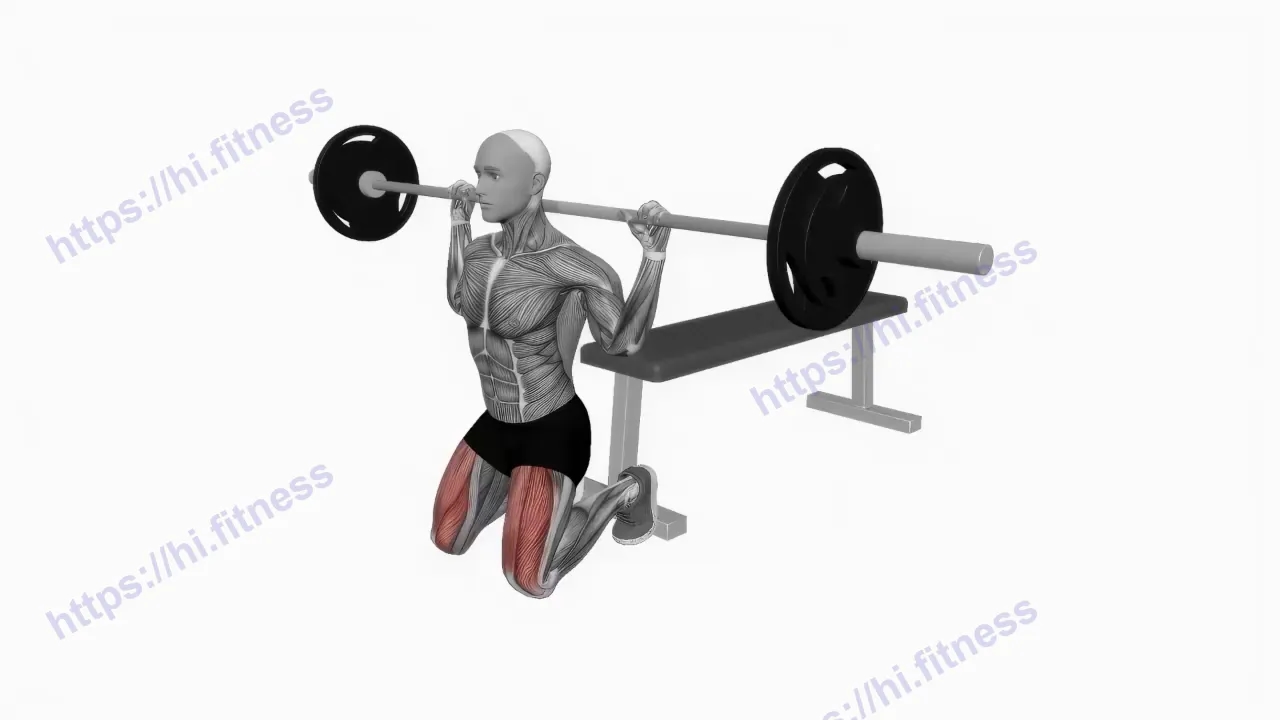
Barbell Kneeling Squat
Glutes · Barbell
- Preview unavailable

Barbell Glute Bridge (Hands on Bar)
Glutes · Barbell
- Preview unavailable

Barbell Feet Elevated Glute Bridge
Glutes · Barbell
- Preview unavailable

Barbell Feet Elevated Single Leg Glute Bridge
Glutes · Barbell
- Preview unavailable

Barbell Feet Elevated Staggered Glute Bridge
Glutes · Barbell
- Preview unavailable

Barbell Feet Elevated Figure Four Glute Bridge
Glutes · Barbell
Training guide
About training Barbell glute exercises
Choose one movement, perform it well, then progress it over time.
Bridge, hip thrust or deadlift?
The barbell glute bridge happens on the floor. You need a bar and a pad, nothing else, and the hips travel a short distance, so it is easy to start with. The hip thrust puts your upper back on a bench, which gives the hips a clearly longer path - that is the version people load heaviest, and the rest gets built around it.
Deadlifts and sumo are a different story. The glute works against the bar there, but it splits the job with the hamstrings and the spinal erectors, and the hardest point sits down at the floor rather than at lockout. A rack pull cuts off the bottom of the movement and puts most of the set in the range where the hips are already extending - which is why it earns a place alongside the deadlift rather than instead of it.
Barbell curtsy lunges and lateral lunges stand apart. They are single-sided and they ask for balance, so the bar is far lighter than in a bridge, and what they are worth has nothing to do with the number on it.
How much weight makes sense for glutes?
The hip thrust handles loads that would be unthinkable in any other single-muscle exercise, and that is both its strength and its trap. Two things cap it in practice: whether the hips still reach full extension, and whether you can stand the bar sitting on them. The second sounds trivial until a set ends at your hip bone instead of your glutes.
The hinge has a different limit. There the weight is capped by the moment your back stops being flat, and the catalog cue "chest up, back flat" is not cosmetic - it is where the set ends. The load at which rounding starts is your ceiling, no matter how much your hips alone could move.
The atlas carries plenty of bridge and thrust variations, but they mostly differ in foot position, elevation and how many legs are on the floor. You do not need all of them in a plan - one movement you load and one that changes the starting position is enough.
Progress the movement
Range first, plates later
A bridge off the floor gives the hips a short path. Putting your upper back on a bench lengthens it under the same bar, and that is the first step, not more weight.
Add load without losing the top
The hip thrust takes big jumps in weight, which is exactly why it is easy to add enough that the hips stop locking out. Judge it by the last rep of the set, not the first.
Change what you rest on
Feet up on a platform lower the starting position; the single-leg version takes away half your base. Either way the number on the bar drops and the demand on the glute climbs.
Explore further
Add this exercise to a workout and track your progress
Add it to a plan or to your current session, log sets, weight and reps, keep the instructions and tips at hand while you train, and check your previous results, records and volume.
- Plan - add this exercise to a workout
- Log - sets, weight and reps
- Progress - history, records and volume